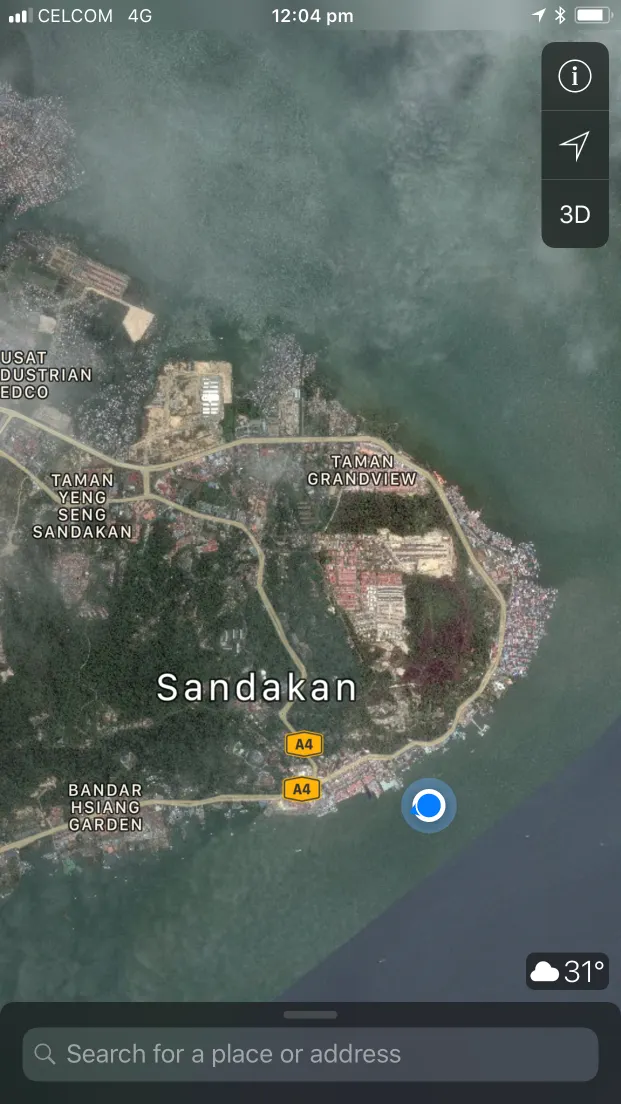

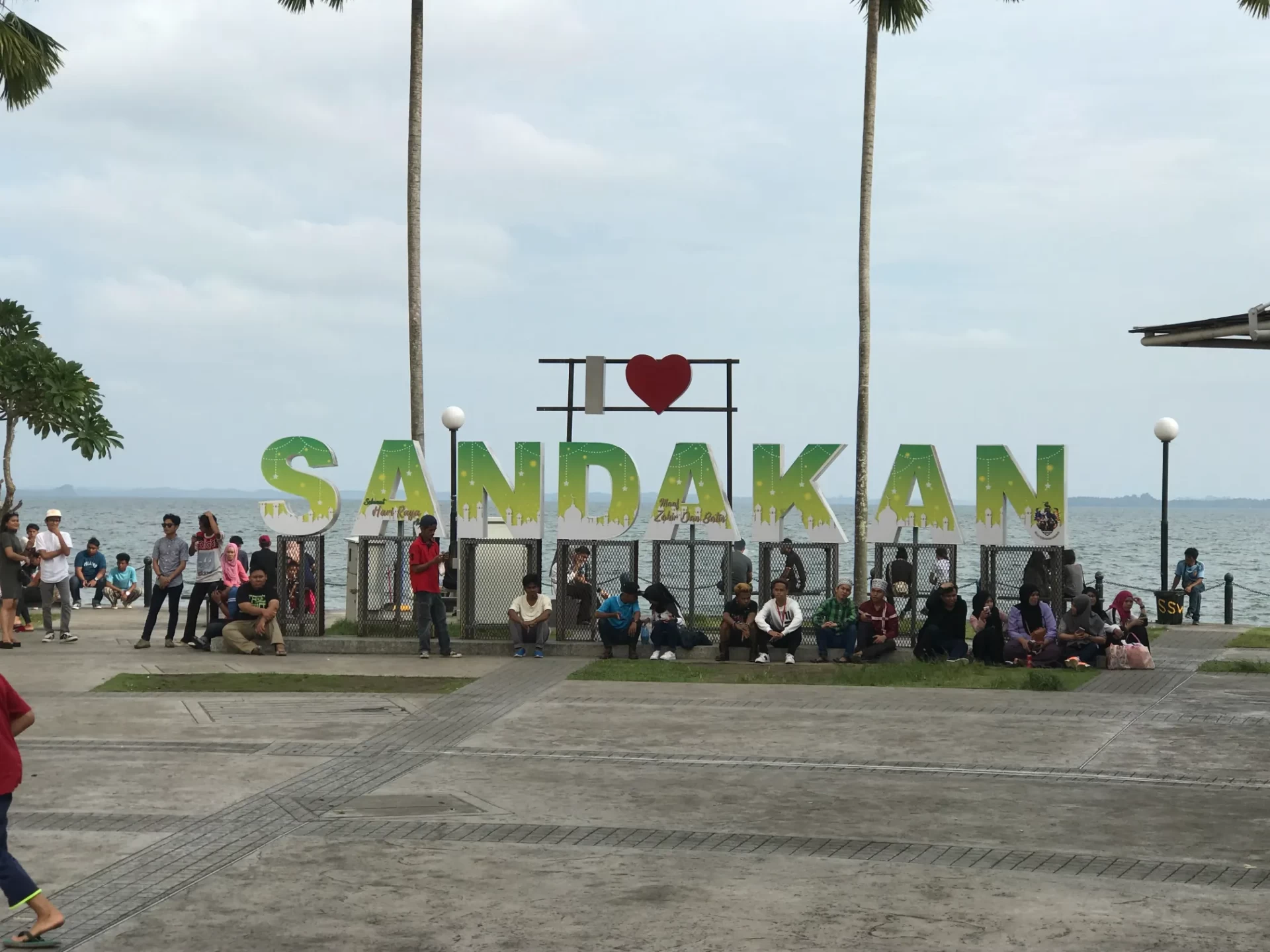
Sandakan North Borneo Malaysia
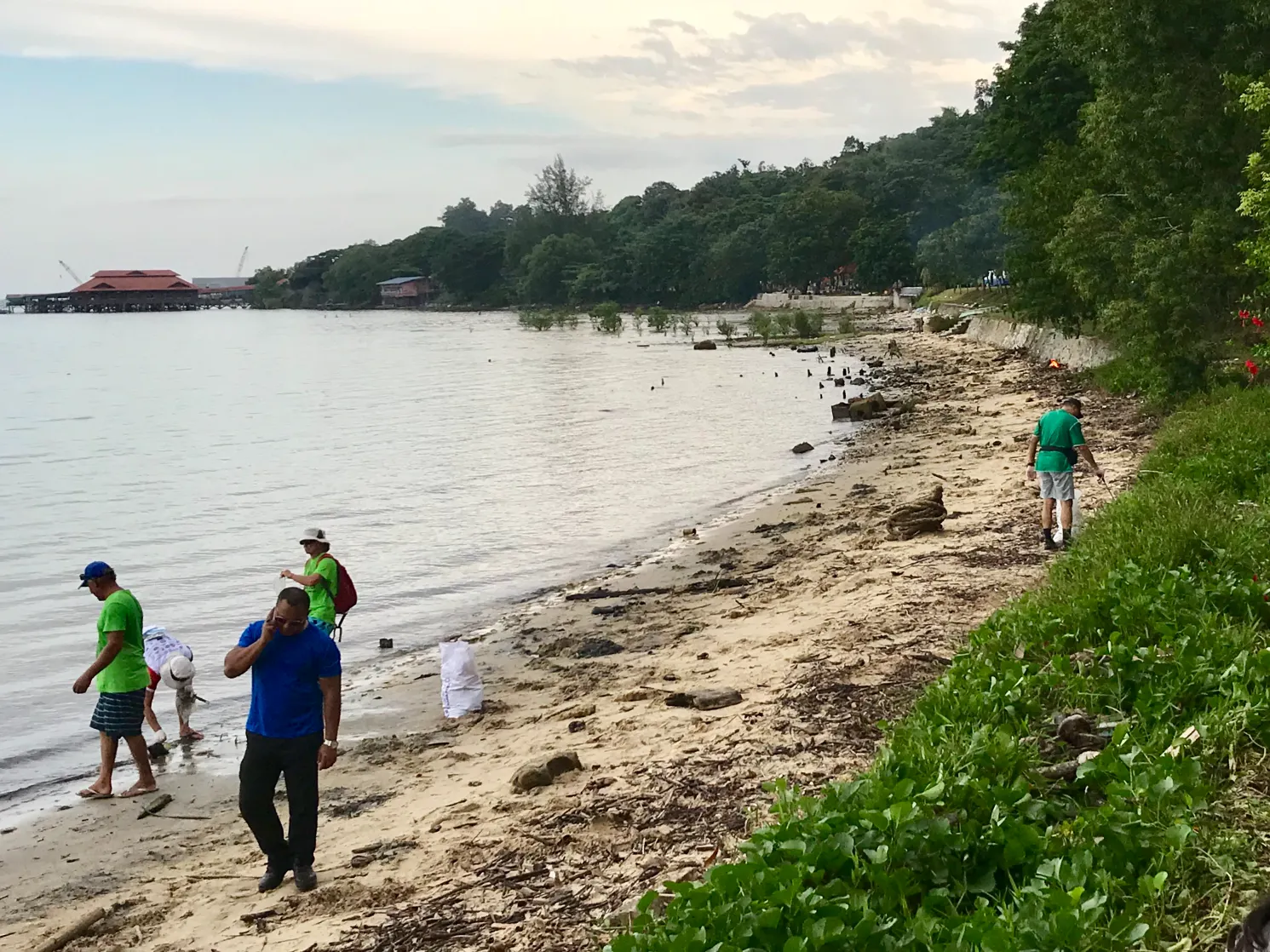
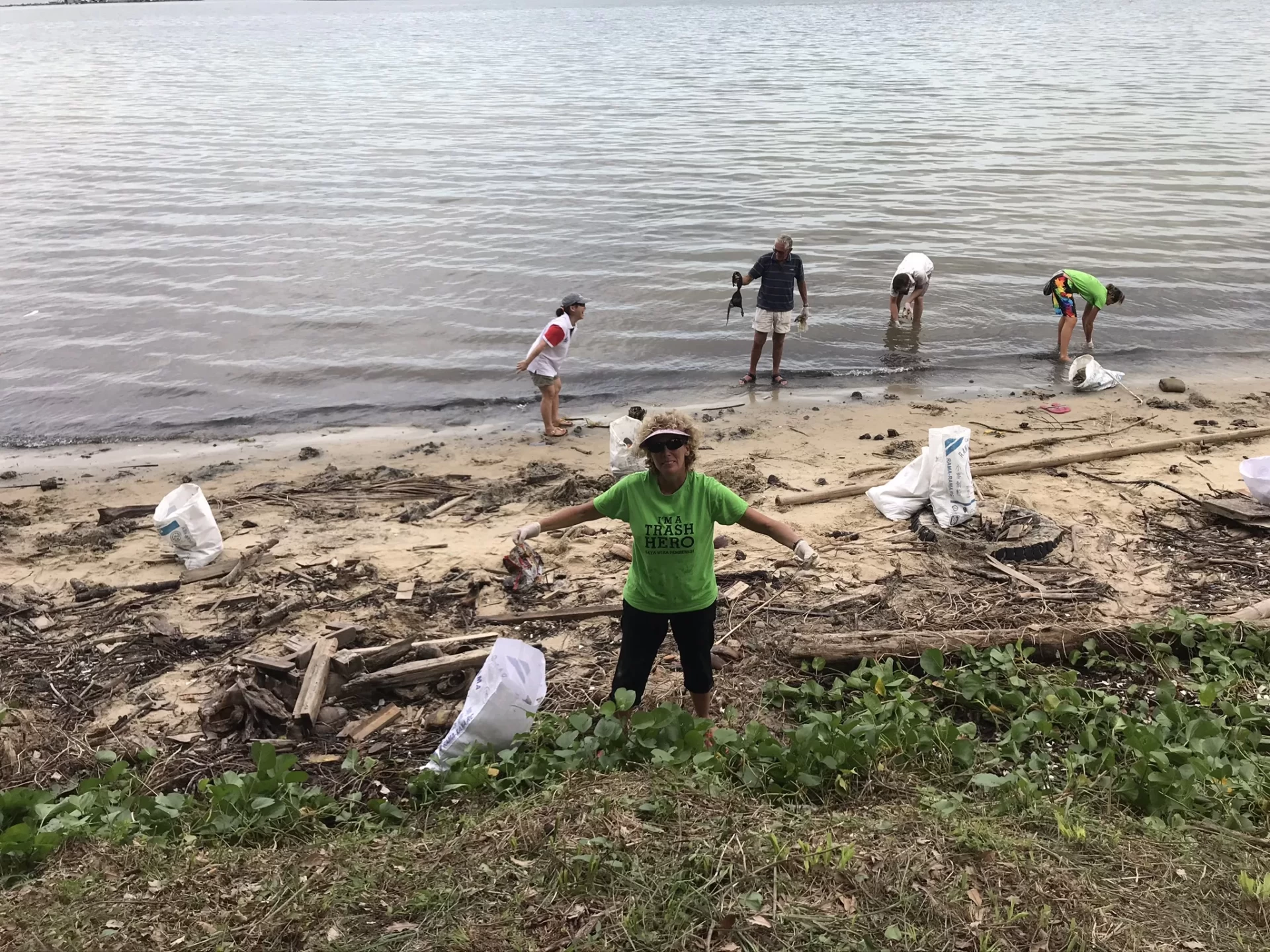
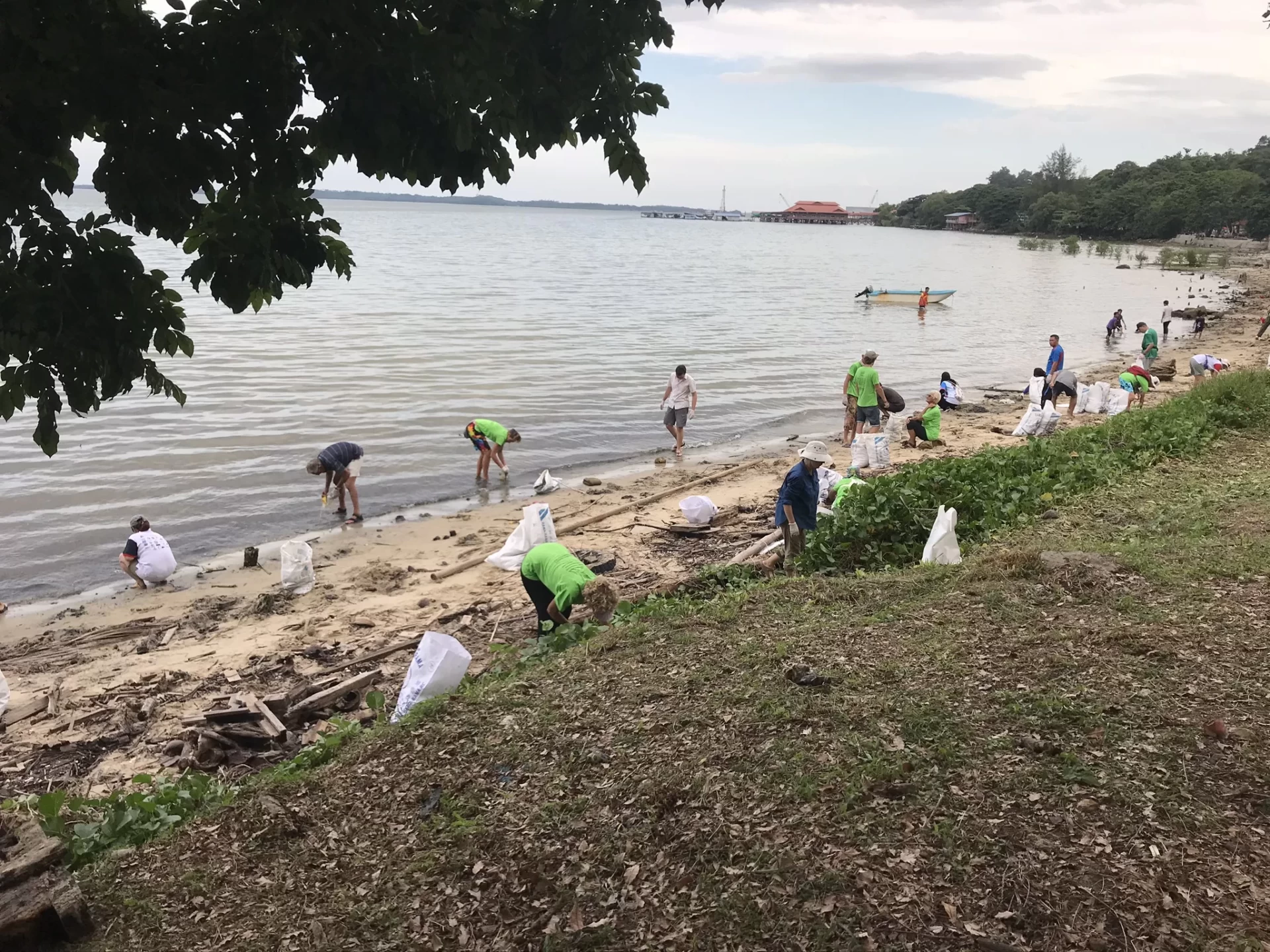
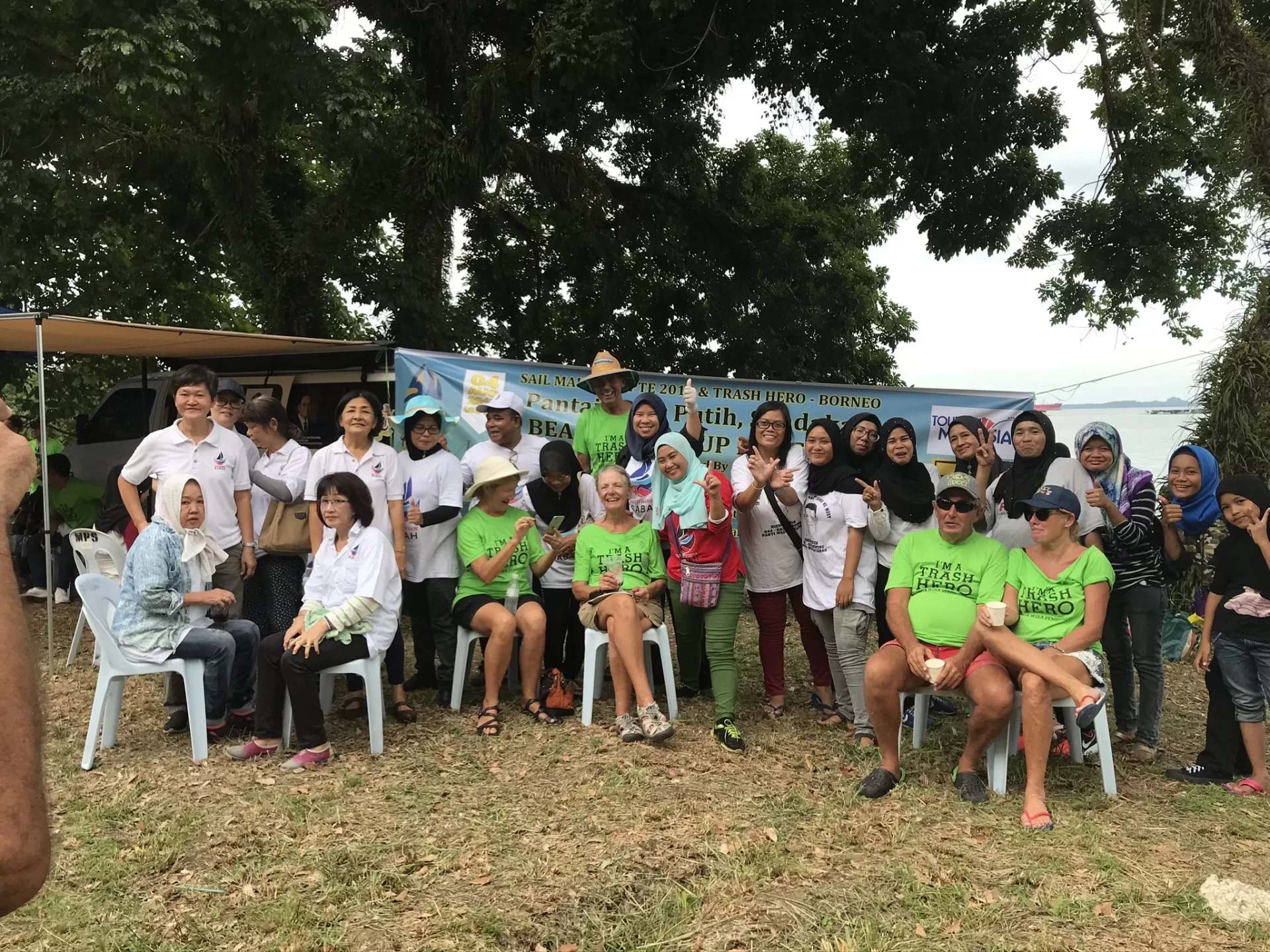
The Sail Malaysia Rally collaborated with Trash Hero Volunteers and local community members for a major cleanup at Pasir Putih Beach. The beach was littered with a considerable amount of plastic waste, including diapers, fishing nets, plastic bottles, and wrappers. Thanks to their efforts, the beach was restored to its original state.
The following day our Sandakan Tour took us to Sepilok Orangutan Rehabilitation Centre, Borneo Sunbear Conservation Centre and the Sandakan War Memorial.
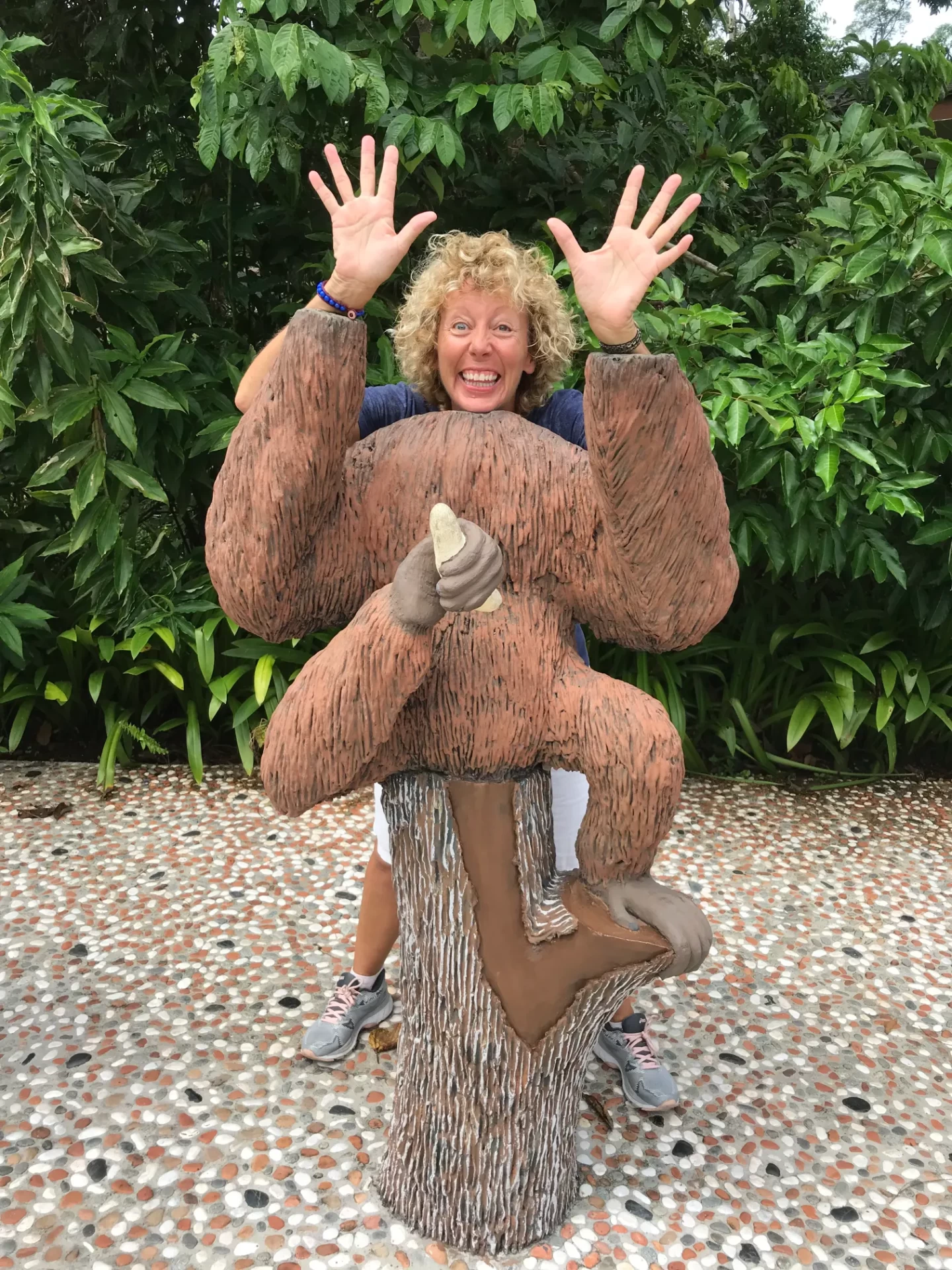
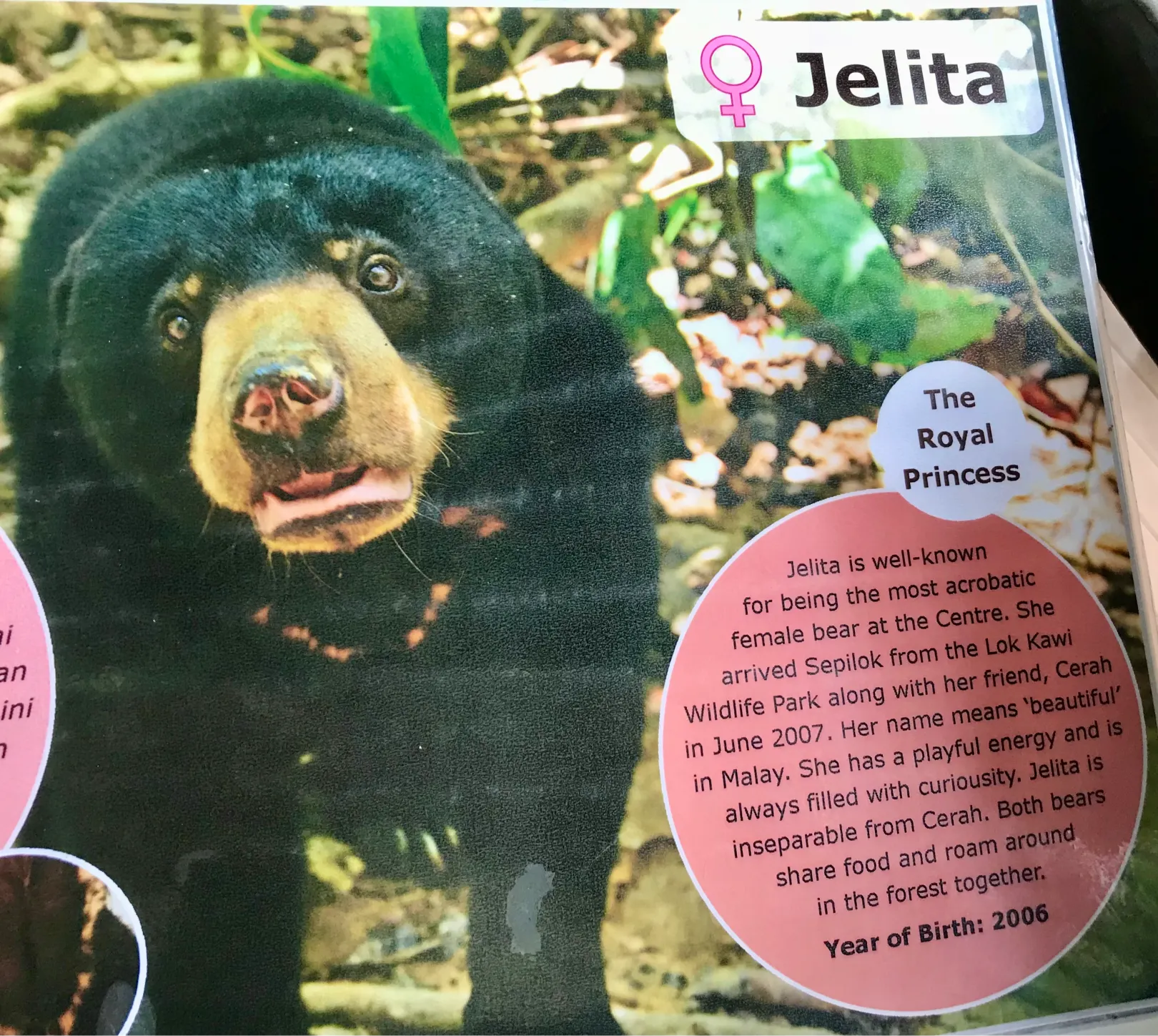
Exploring the park to witness the Orangutans and Sunbears is a definite must-do; these incredible creatures each carry a unique name, and you can learn about their survival stories and how they came to be at the rehabilitation centre.
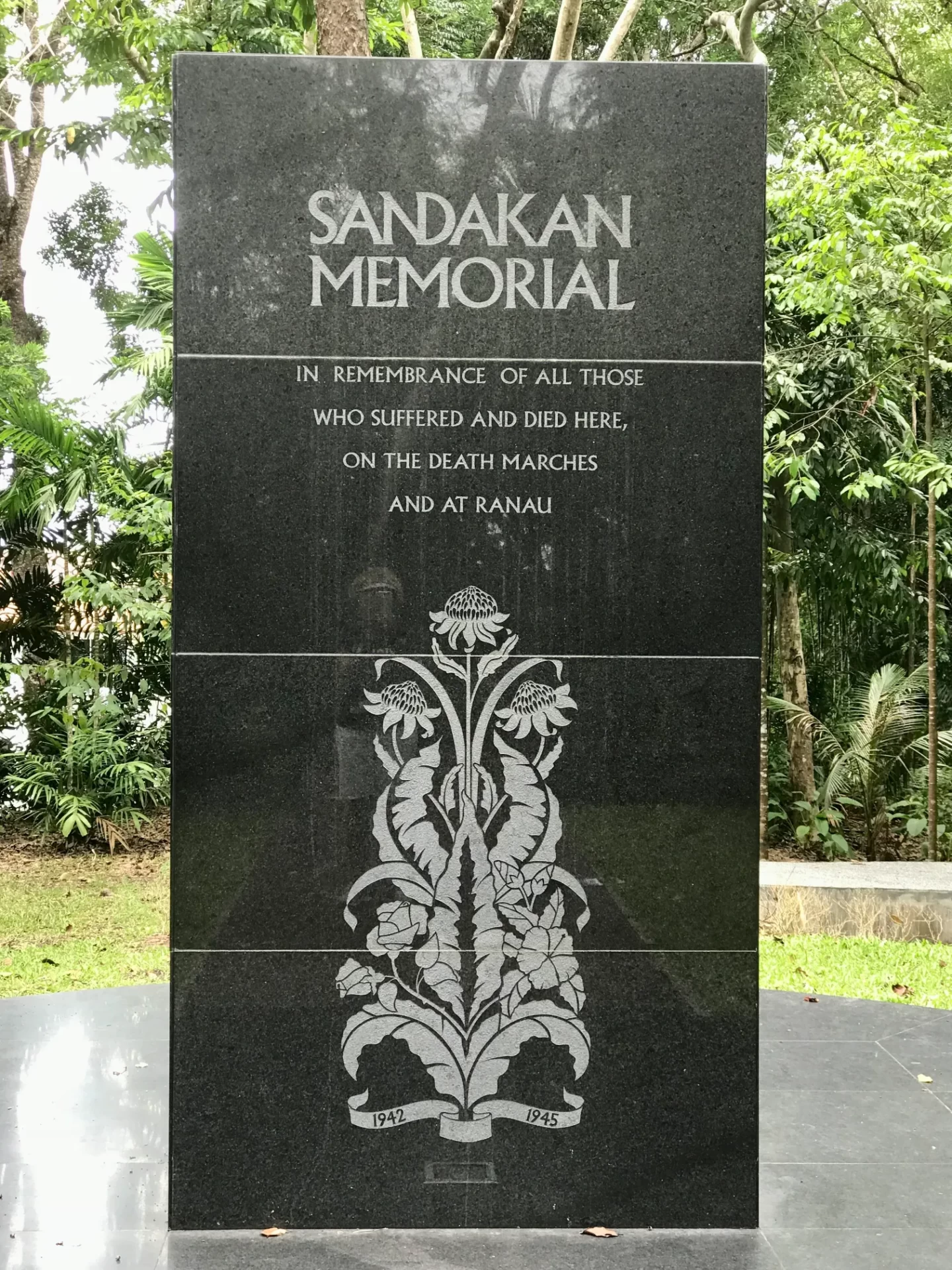
The Sandakan Memorial Park commemorates a tragic and atrocious event from the Second World War (1942-1945). If you have an interest in history, you can delve deeper into the details by reading about it below.
The tragedy was the death between January and August 1945, within sight of Allied victory in the Pacific war, of approximately 2400 Australian and British prisoners of war held by the Japanese in The Sandakan POW camp, North Borneo. The atrocity was the manner of death inflicted upon them by their captors- starvation, overwork, beatings and punishments and the forcing of over 1000 sick and weak POW’s on three marches under brutal physical conditions.
In 1942 and 1943 the Japanese brought to Sandakan about 2700 Australian and British POW’s, the great majority of when had been captured at the surrender at Singapore in February 1942. They were used as a labour force to build a military airstrip. In late 1944, as the Allies advanced in the Pacific, the airstrip was bombed and destroyed. Early in 1945 the Japanese soldiers decided to move the POW’s 260 kilometres west into the mountains to the small settlement of Ranau. On three forced marches between January and June approximately 500 prisoners died at the Ranau and Sandakan camps.
Of all of those who had been alive in January 1945, by the end of August only six, all were Australians had survived. Two of the six escaped into the jungle during the second march in June 1945. Assisted by local people, they were eventually picked up by Allied units. Another four escaped from Ranau in July and again, with the help of local people, were fed and hidden from the Japanese until the end of the war.
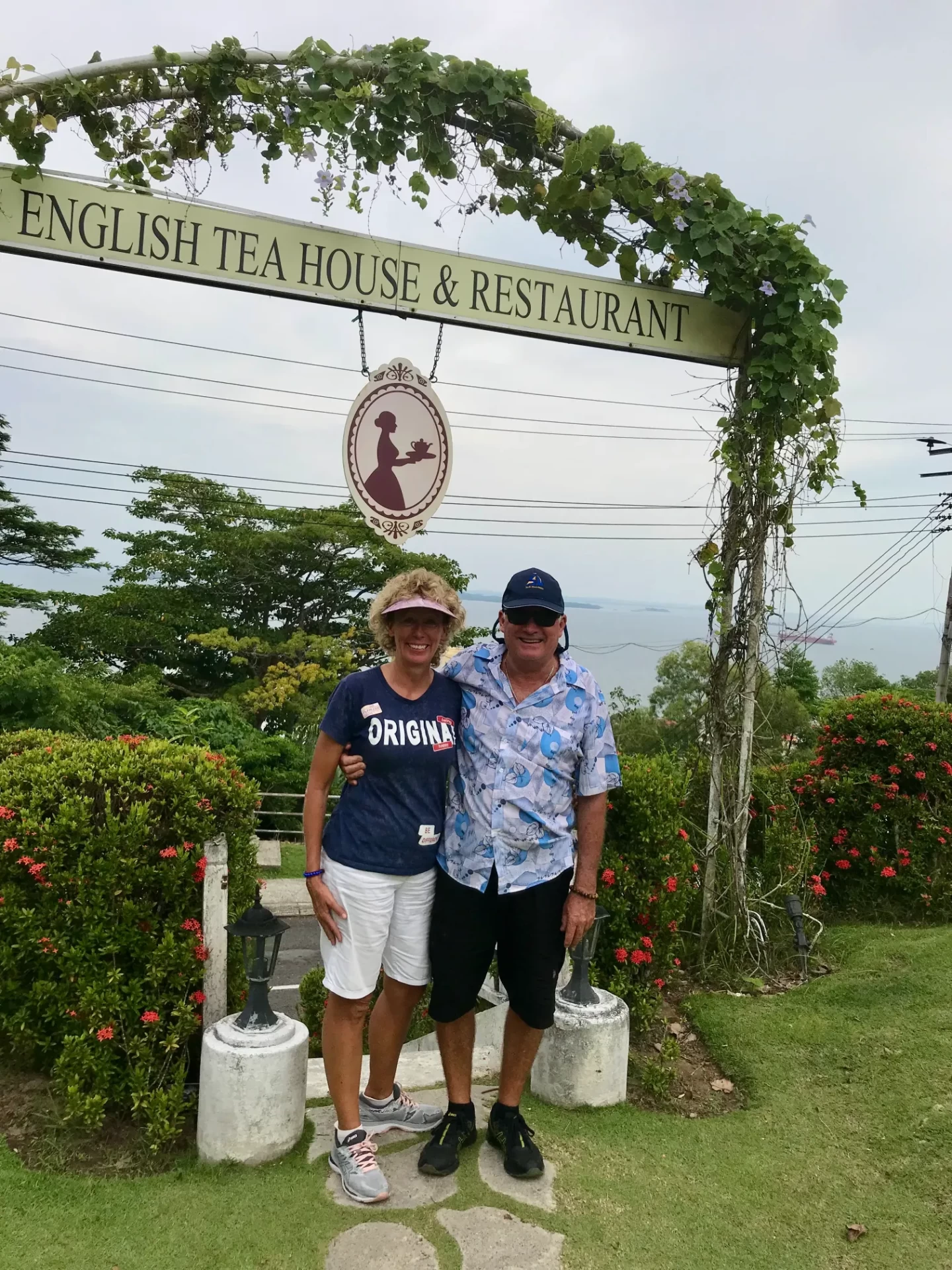
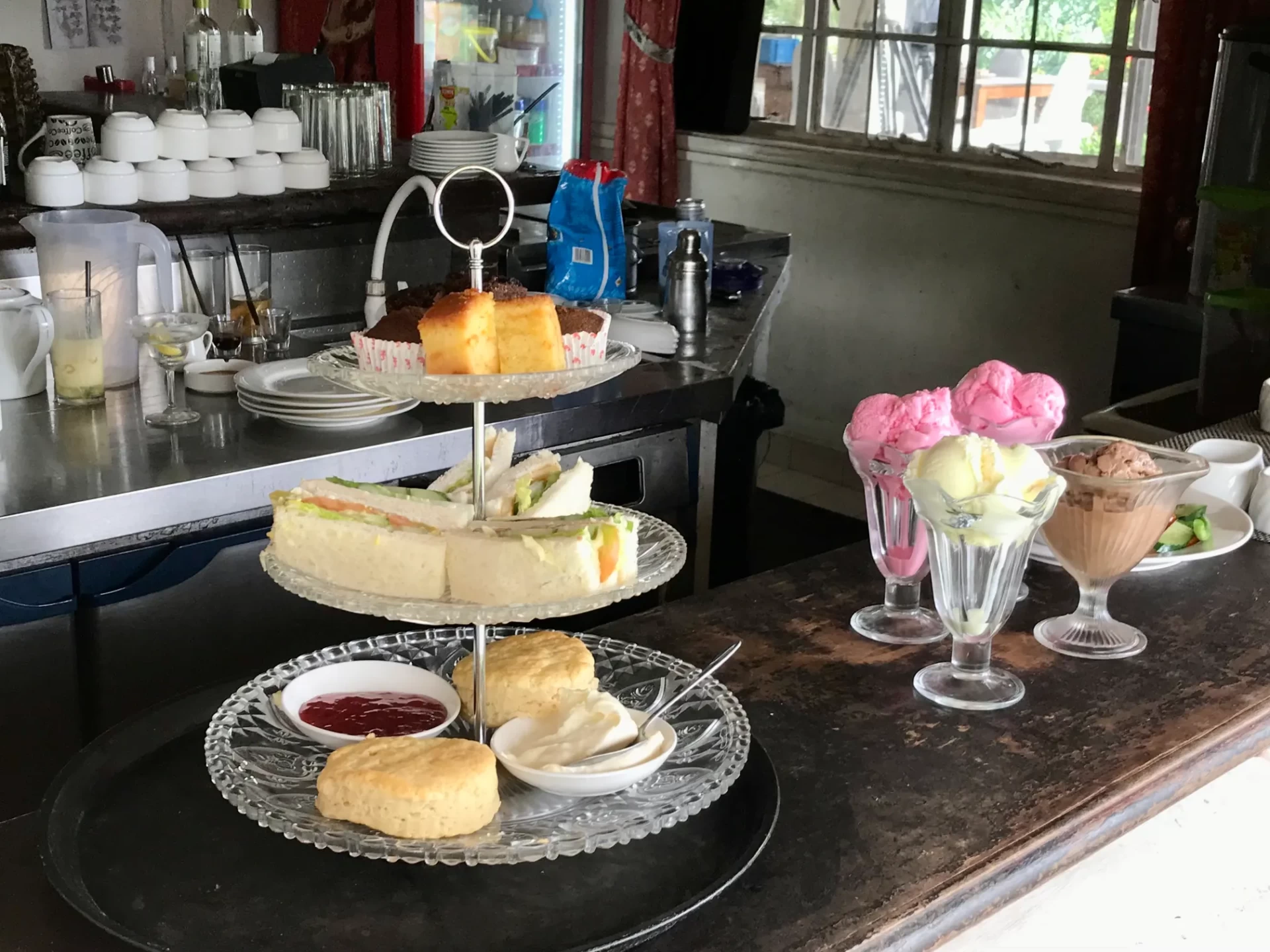
The day concluded with a delightful visit to the English Tea House—a perfect rest stop in a beautiful setting to savour some delicious cakes.
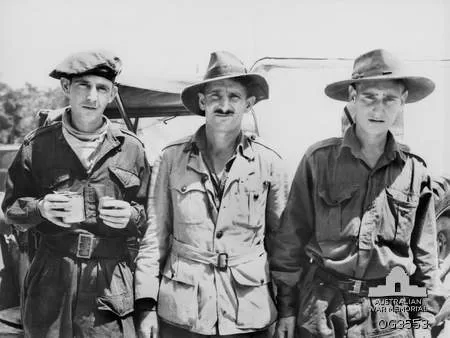
Nelson Short, William H.Sticpewich & Keith Botterill three of the six Australians believed to be the sole remaining survivors of 2,700 POW of the death marches.
Dept of Veterans Affairs, office of war graves
Office of Australian War Graves, 2005, Sandakan Memorial Park, Pamphlet, Dept of Veterans’ Affairs, Canberra.