
*Since leaving Brisbane, we have travelled 2416 nautical miles.
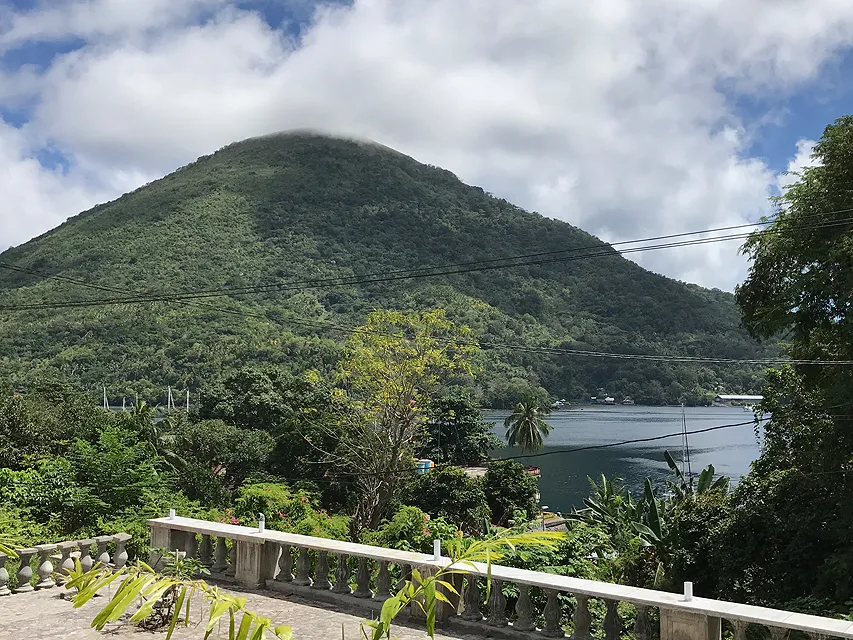
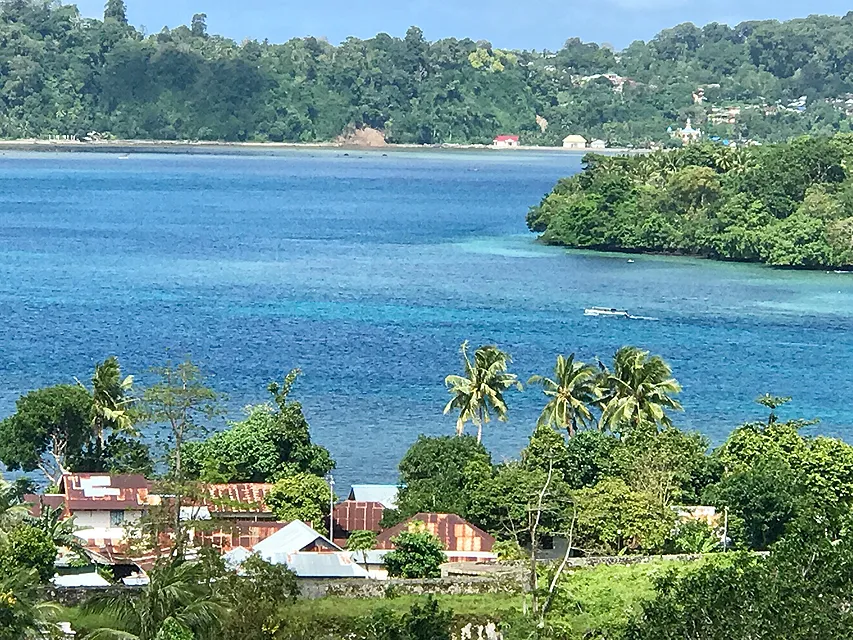
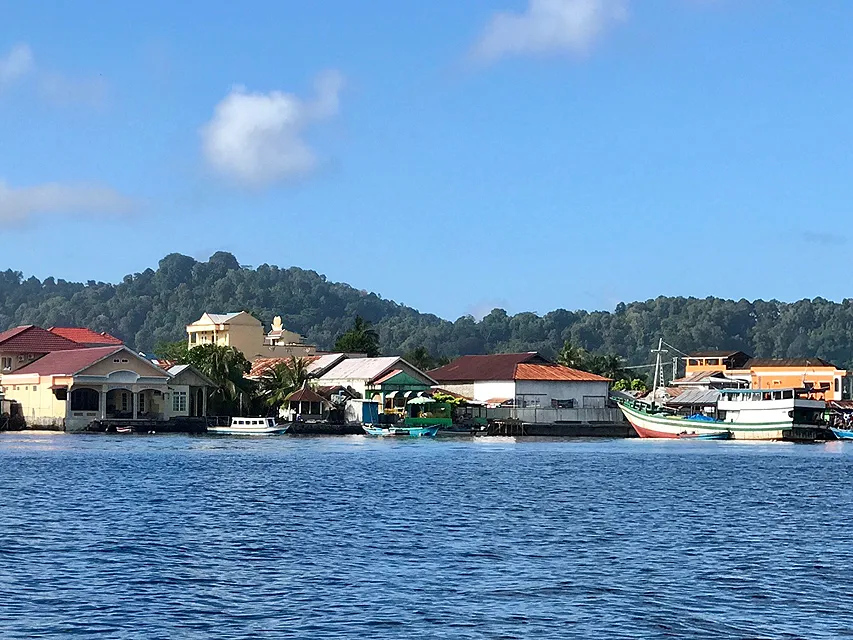
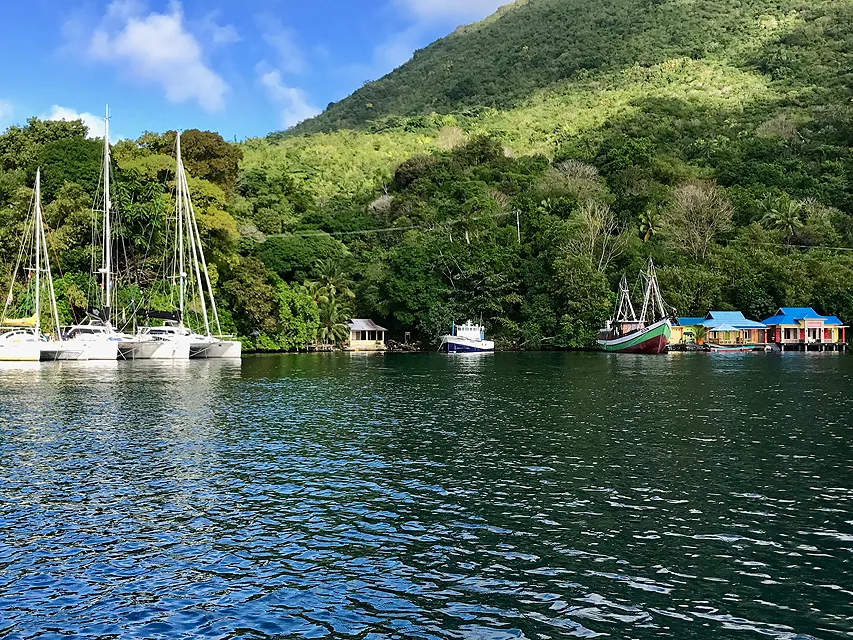
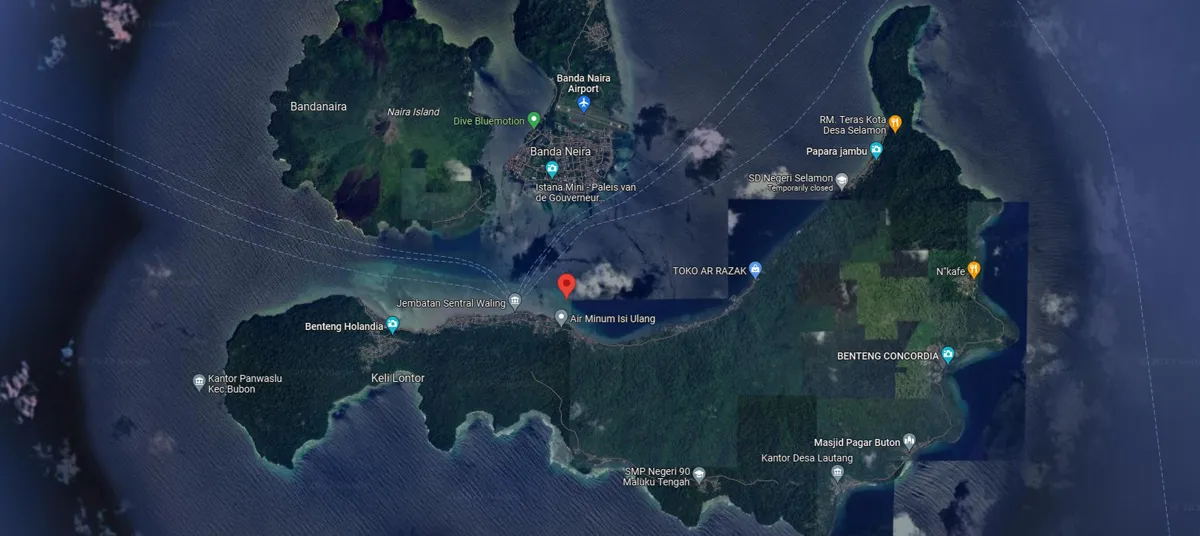
It was time to leave Debut and sail overnight to the Banda Islands (also known as the Spice Islands). We decided to anchor at the southern end of Banda Neira between three islands – one of these islands, Gunung Api, is an active volcano. The winds were light initially, then picked up to 15-20 knots. As we approached Banda Neira Harbour, we saw FADS (fish-attracting devices) and mooring buoys on each side of the harbour; the centre of the channel was clear. Several rally yachts tied to trees in the northern anchorage others chose to ‘med moor ‘ at Banda NeiraHarbour.
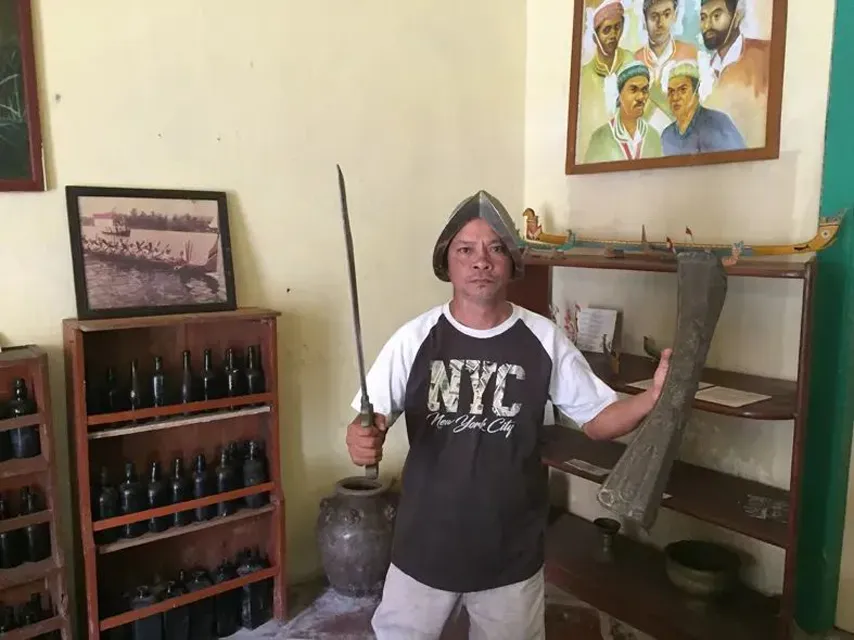
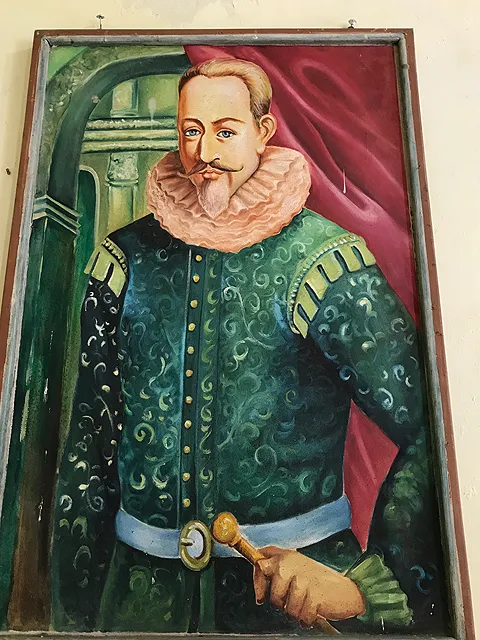
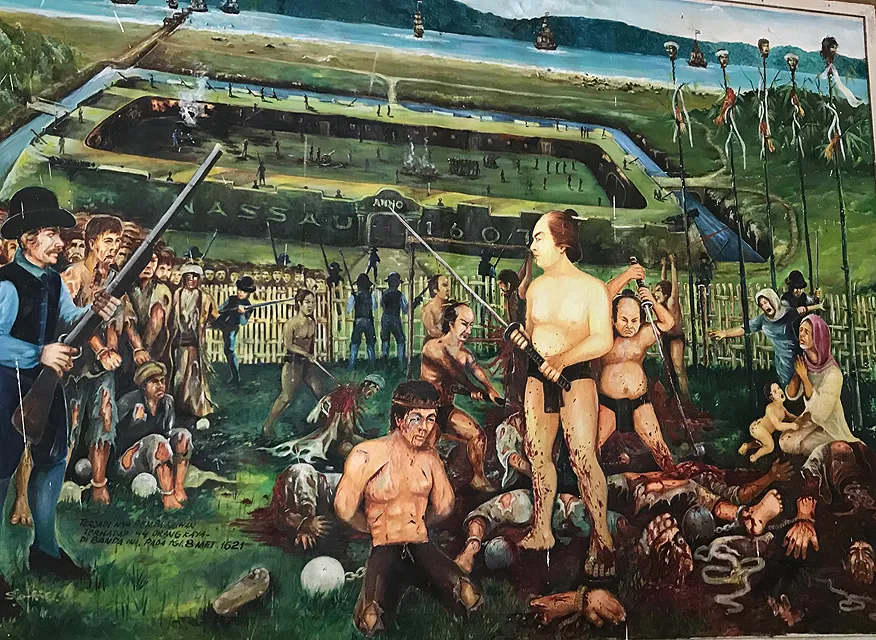
The Banda Tourism Board were prepared for the Sail 2 Indonesia arrival; several tour options were organised for the Rally fleet as well as evening entertainment which included a welcoming gala dinner at the Maulana Hotel, movie night and finally, a farewell BBQ at the Cilu Bintang Estate. ‘There’s is not a lot of time we sit and do nothing’. On day two, we chose a town tour with a guide and were eager to learn about the island’s fascinating history. Other tour options included a spice tour, island hopping or a trek up to Gunung API Volcano (5 hours return). Banda Islands population is 95% Muslim and 5% Christian. The southern islands are covered in nutmeg trees. Nutmeg, mace and cloves were once global commodities, and the Banda people could trade spices for all life’s necessities. Walking through the town, you see Narrow laneways filled with market stalls, food vendors and cafes. Many of the town buildings are old with rusty tin roofs. Dutch cast iron cannons can be found lying on the side of the road. The Banda Museum contained relics of the Portuguese, Chinese and Dutch. A painting on the wall depicted the death of 44 orang kaya (chiefs) in 1621; they were beheaded and quartered by Japanese mercenaries brought over by the Dutch. Fort Nassau is where the massacre occurred, an unfortunate, brutal history; the view of the harbour from the 400-year-old fort was impressive. A trip to the colonial governor’s house (1820’s mansion) proved interesting. A suicide note was etched into the glass on one of the windows from a worker who missed his family; he was never allowed to leave- they call this room the ‘Spooky Room’.
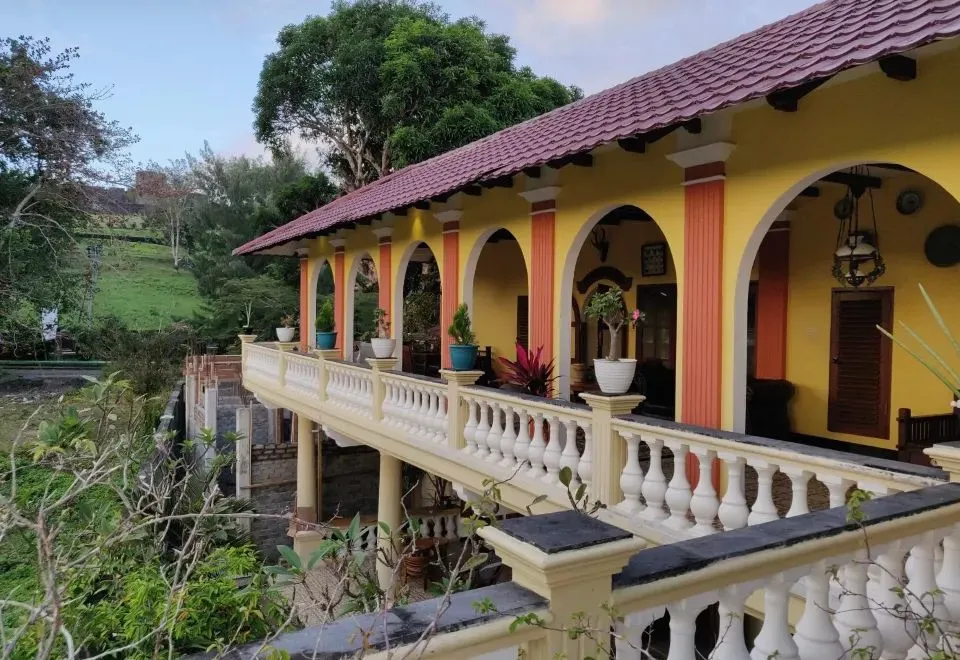
We stopped for cinnamon tea at Cilu Bintang Estate. Cilu Bintang is a boutique hotel – Dutch Colonial Reproduction with superb rooms; even basic rooms come with four poster beds and nutmeg furnishings. Rooms start from $30 a night. It was a fantastic tour, with so much history and more to see; however, it’s now 1:00 pm and time for lunch and a rest before heading out for the gala dinner. If you are interested in history, here is more about the Banda History.
There is much more to learn; you must visit the Banda Islands and find out for yourself.
The Banda people have a long trading history with Arab, Chinese and Javanese. Things started to go wrong when the Europeans arrived, and then the Portuguese, especially the Dutch, wanted to control the spice trade. The Bandanese fearing Dutch control captured and executed 40 Dutch ‘negotiators’, and in retaliation, the Dutch beheaded and quartered 44 ‘Orang Kaya’ (chiefs) Inside the walls of Fort Nassau; what followed was a virtual genocide of the Banda people. Over the next several years, the Banda people were killed, enslaved or fled the islands; 90% of the Banda population was decimated (6000 people died). The Dutch then converted the islands into a Dutch-controlled plantation which they managed for 200 years; however, corruption and mismanagement meant that it was never as profitable as it should have been.