
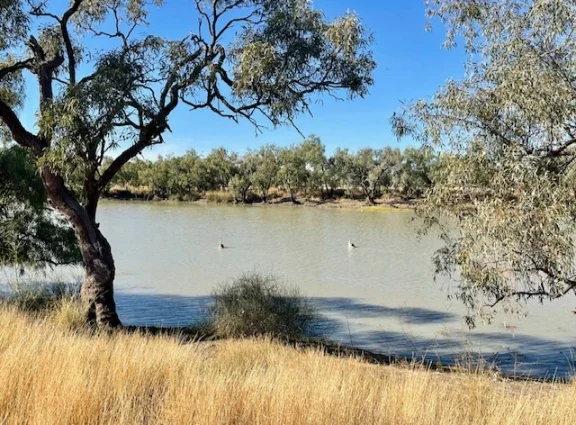
We discovered a lovely campsite by picturesque Lake Elliott just past the bridge! When we arrived, we were absolutely fascinated by the incredible variety of birdlife here. It’s just bursting with activity—there are Kites, Egrets, Cormorants, ducks, honeyeaters, and even Brolgas—just to name a few!
In addition to the beautiful birds that flitted around us, the location of our camp offered an ideal vantage point for both sunrise and sunset. Each morning, the sun would rise in a breathtaking display, painting the sky with hues of pink, red, and orange. The evenings brought their own magic as the sun dipped below the horizon. The scenery was simply stunning at both times of day.
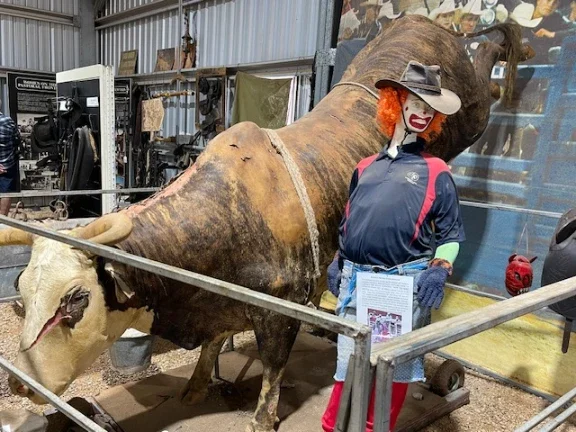
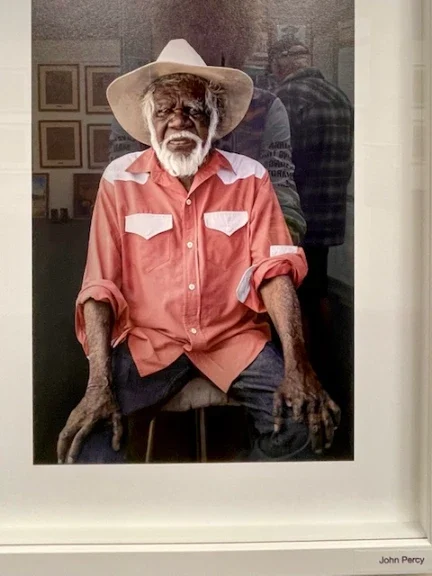
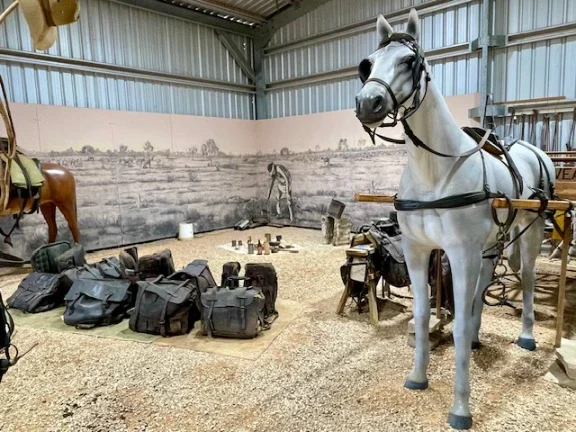
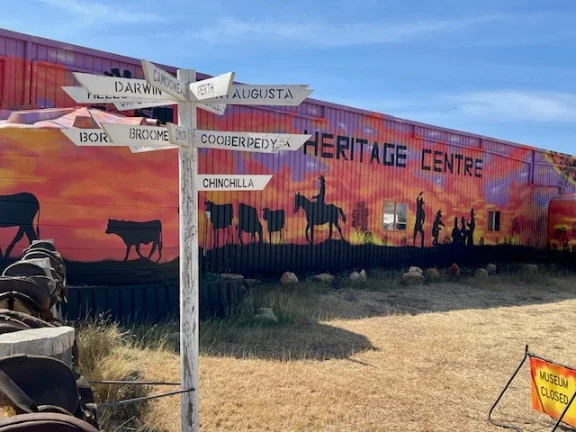
We also visited a exhibition about “Unsung Heroes of the Outback and the Cattle Industry.” It features numerous portraits, history board displays, drovers equipment, map of the stock routes and much more. It is housed in the Drovers Camp Historical Muesum in Camooweal, about 200 kilometres north of Mount Isa. We were lucky to be there at the time the tour started so we were walked through the drover history.Camooweal is considered the heart of droving in the outback, serving as a key stopover for drovers moving cattle between the Northern Territory and Queensland during the 19th and early 20th centuries. It’s important to acknowledge that many Aboriginal stockmen played a vital role in shaping the cattle industry. Despite their hard work, they were often not paid wages and were instead given rations as compensation.
As we learn more about our history, we are fascinated and deeply saddened. While we value the opportunity to understand the past better, we also feel a sense of shame for the injustices experienced by Aboriginal people.