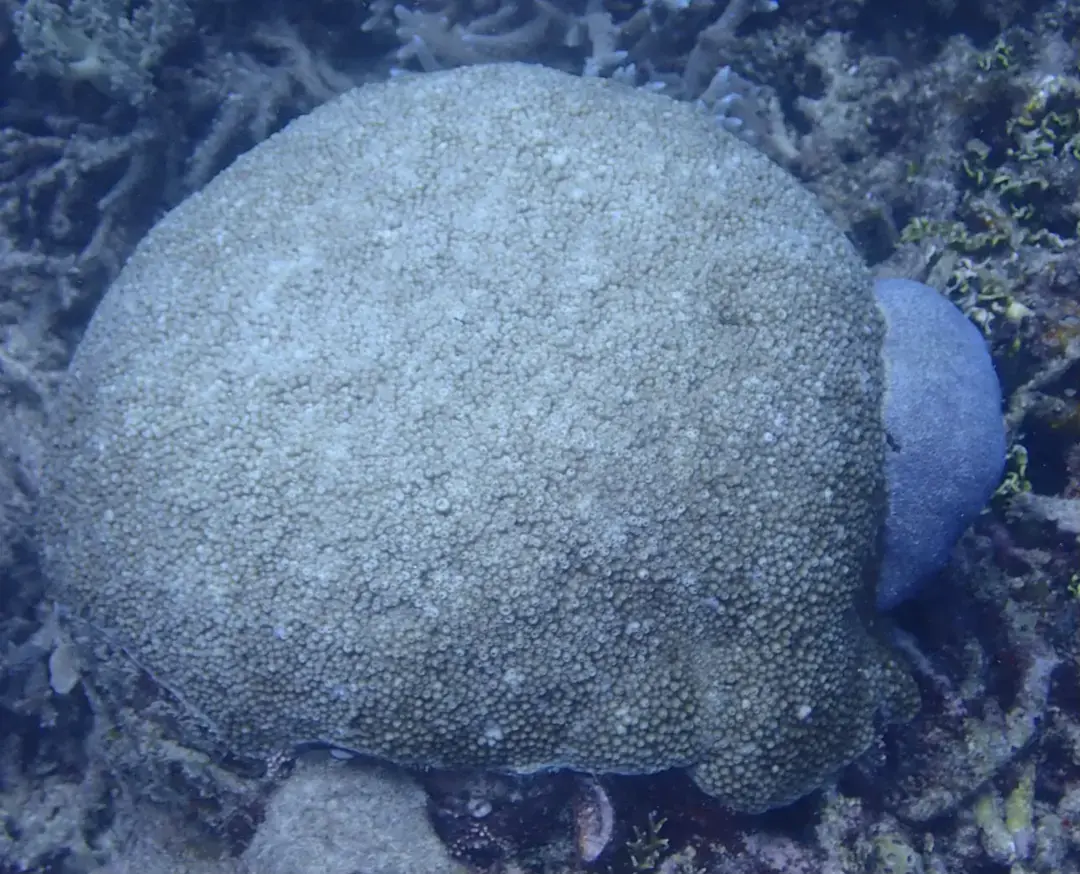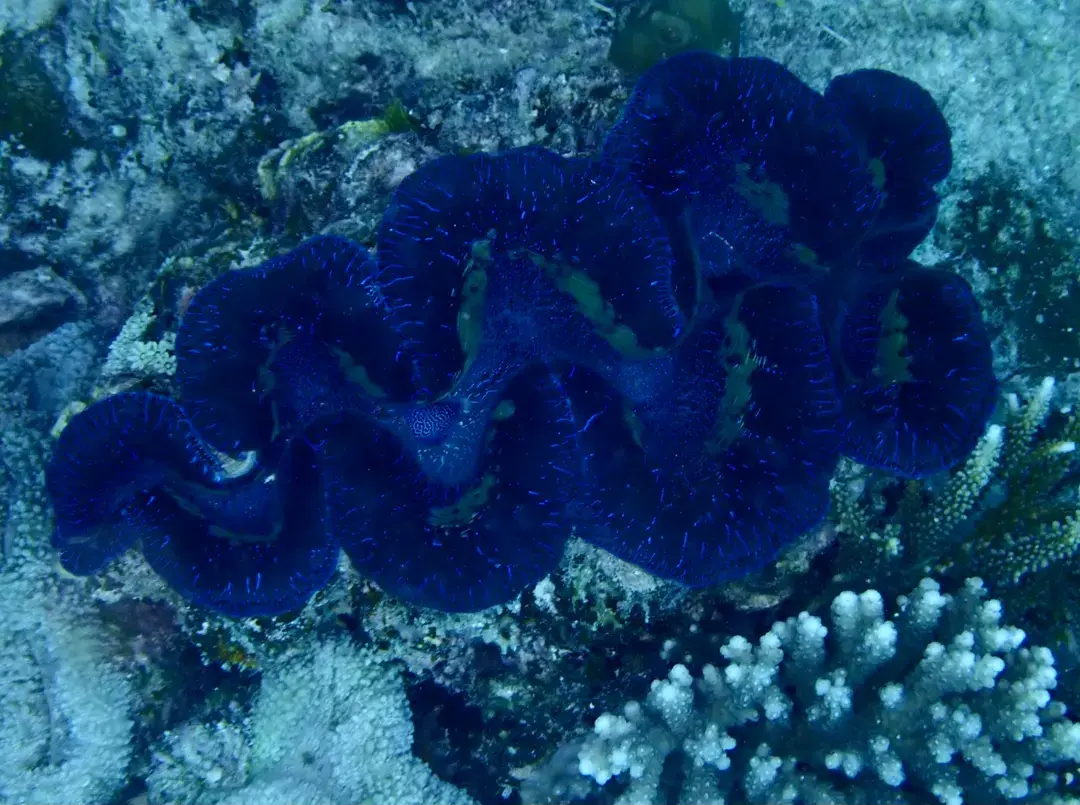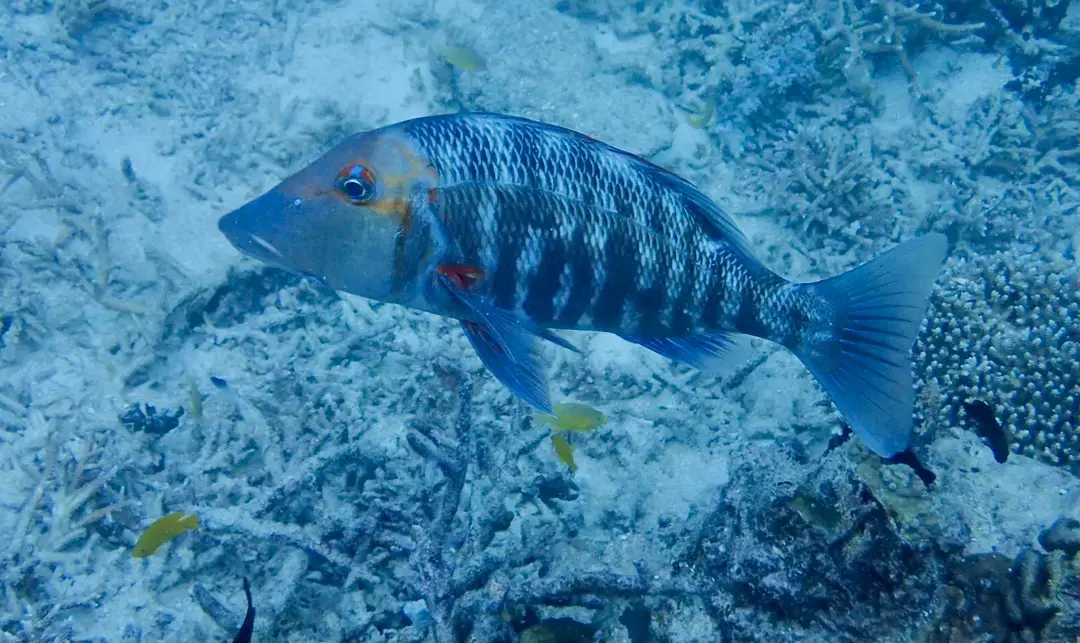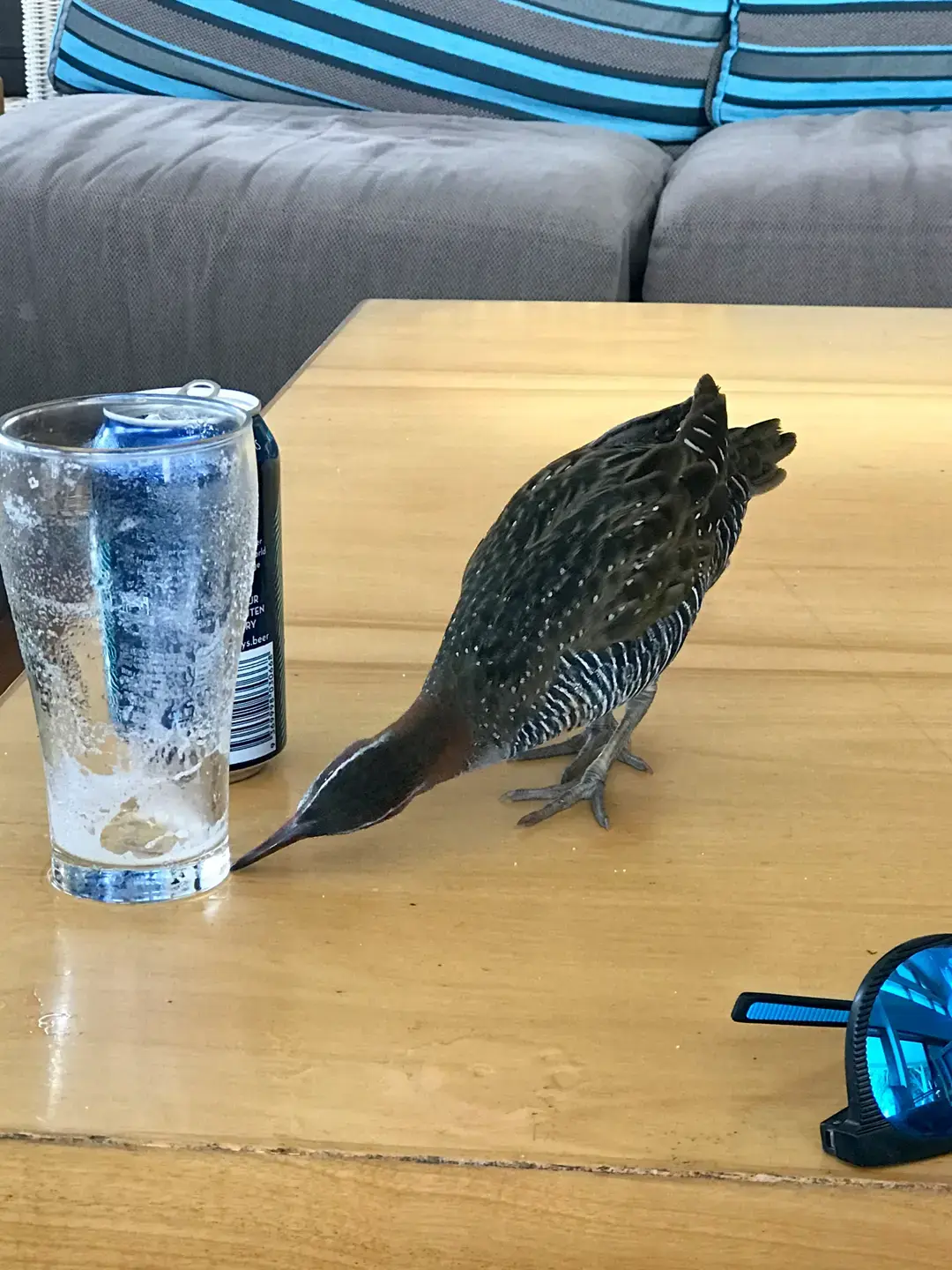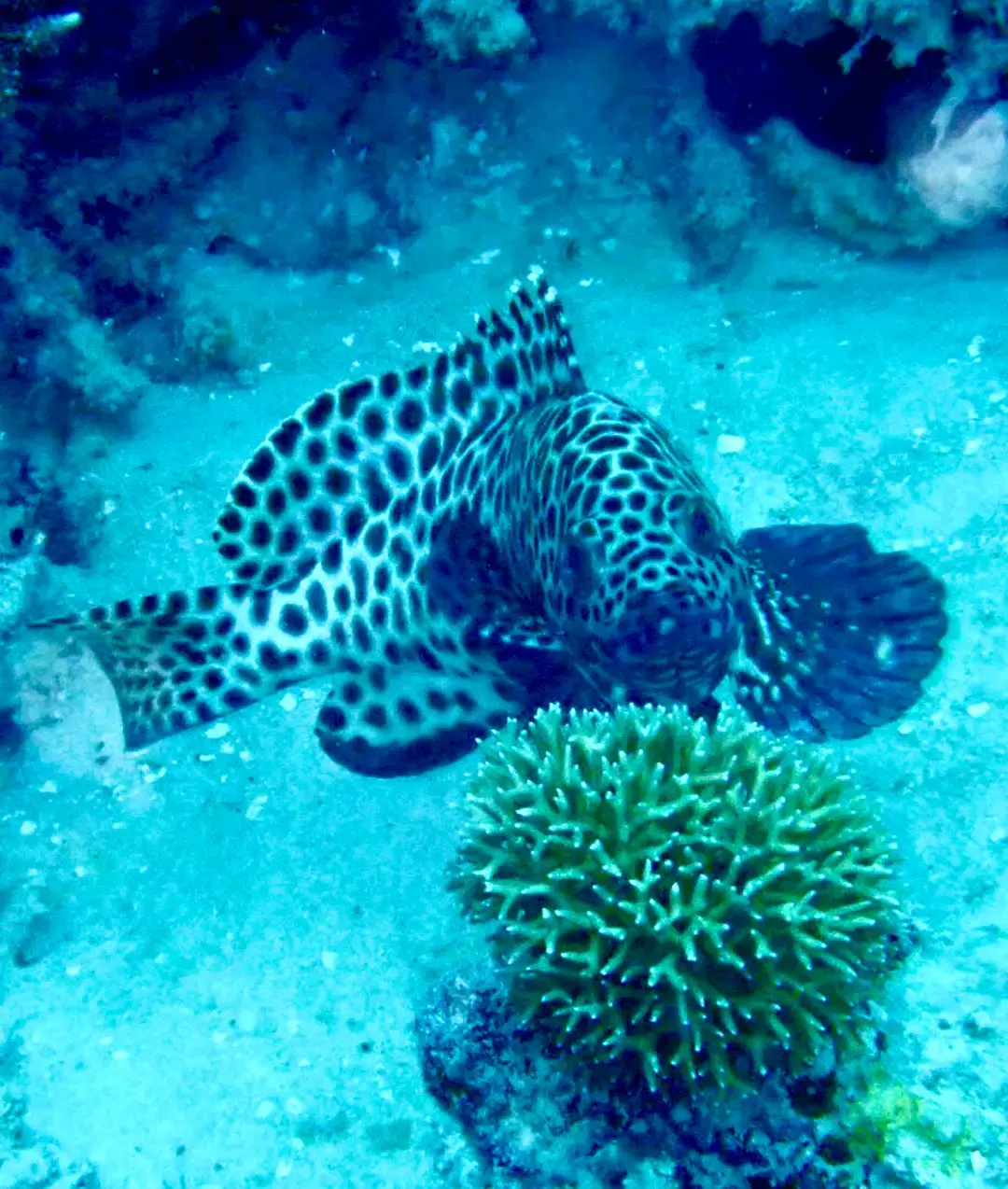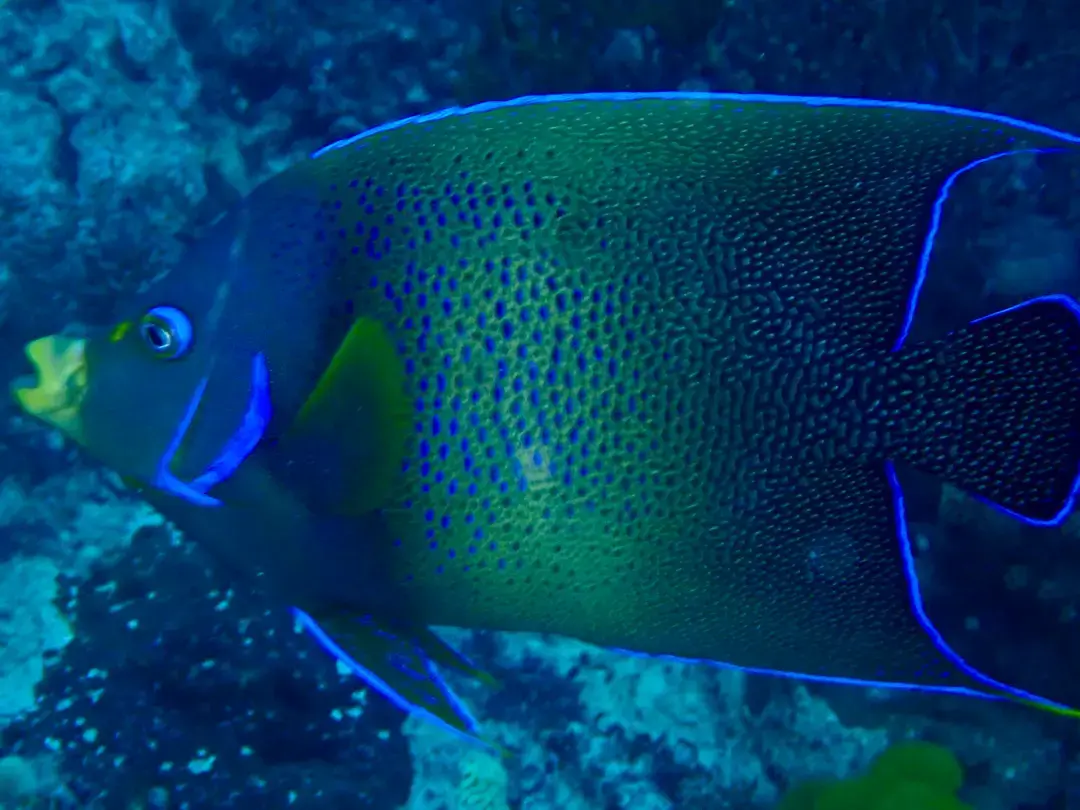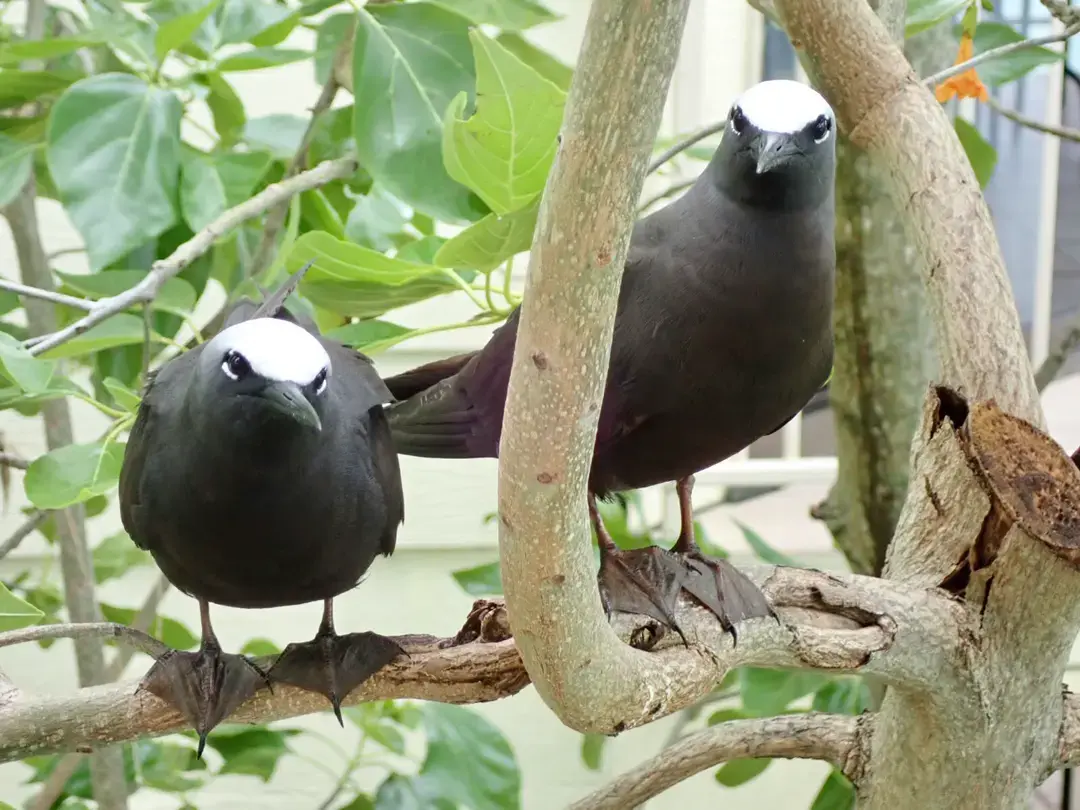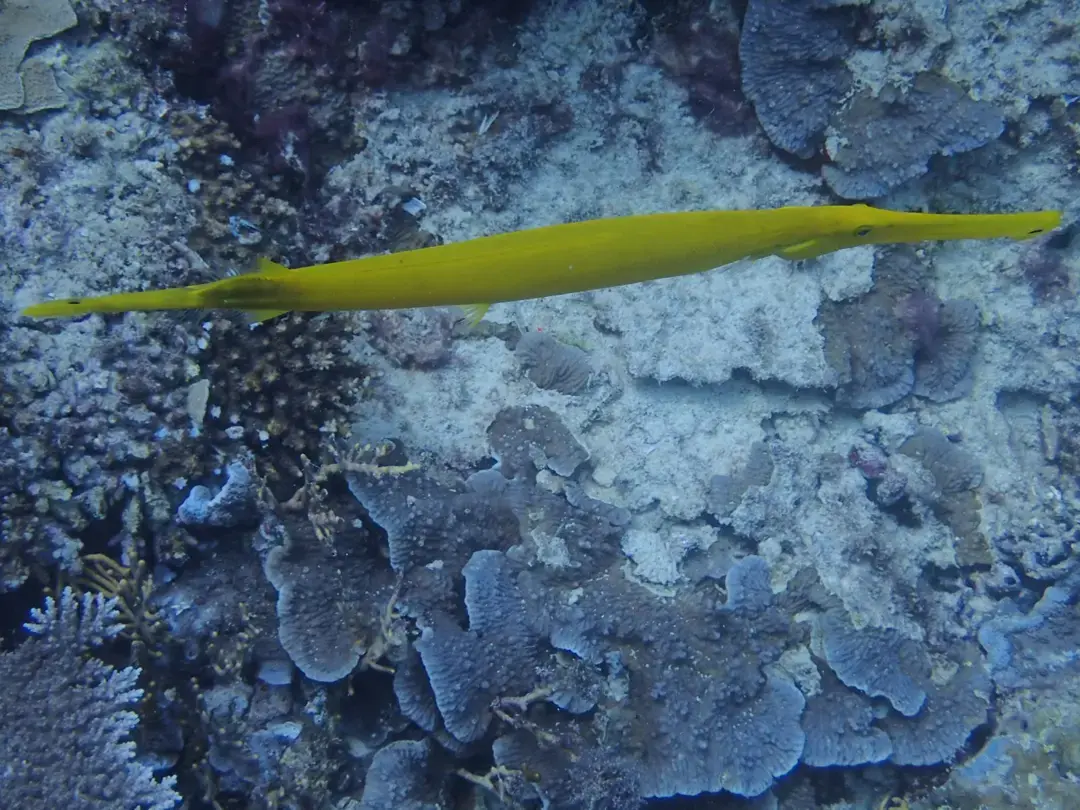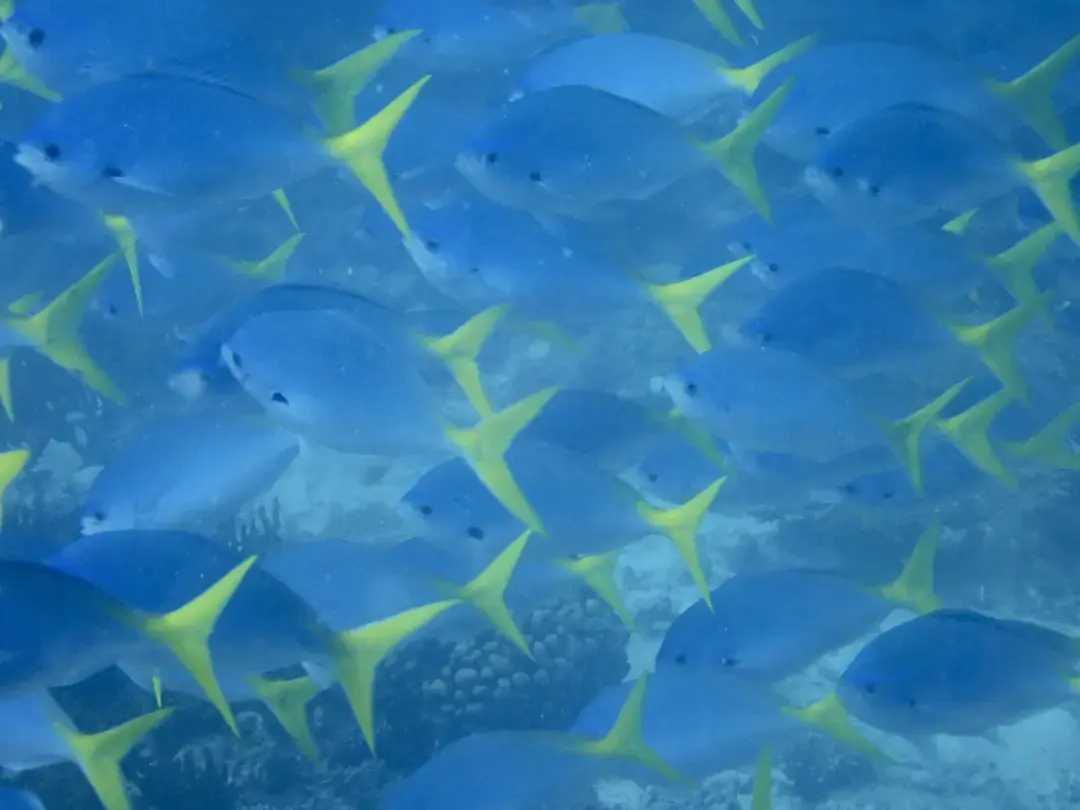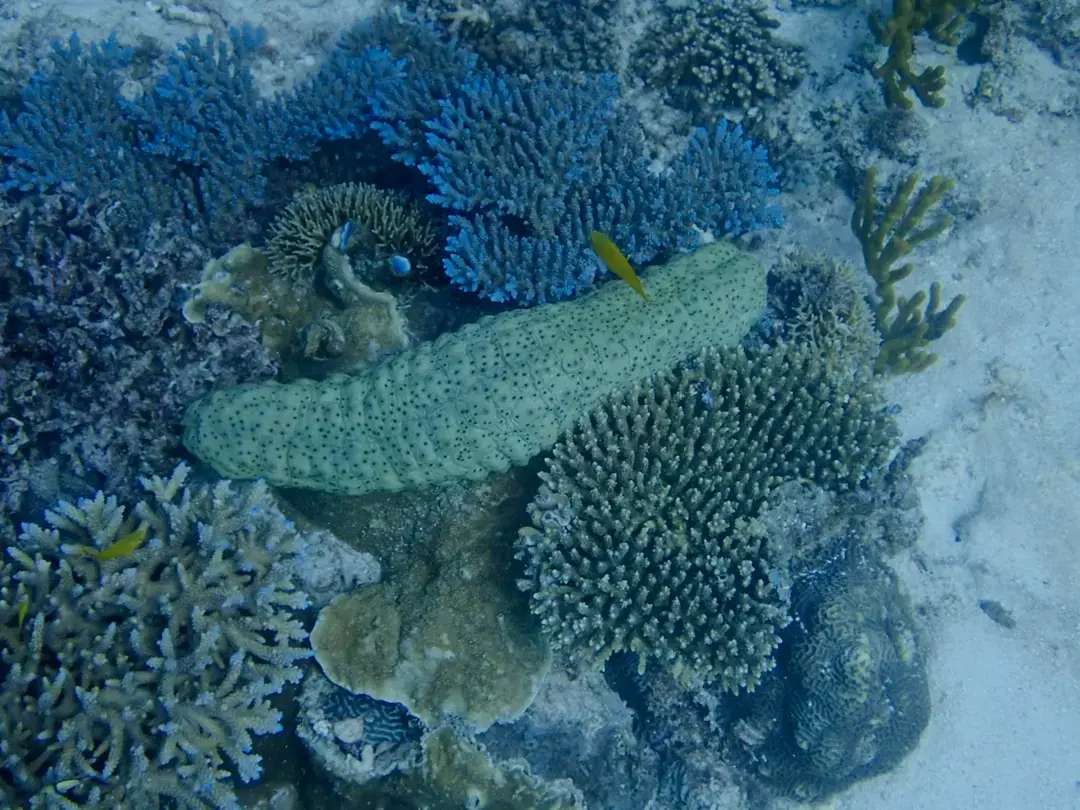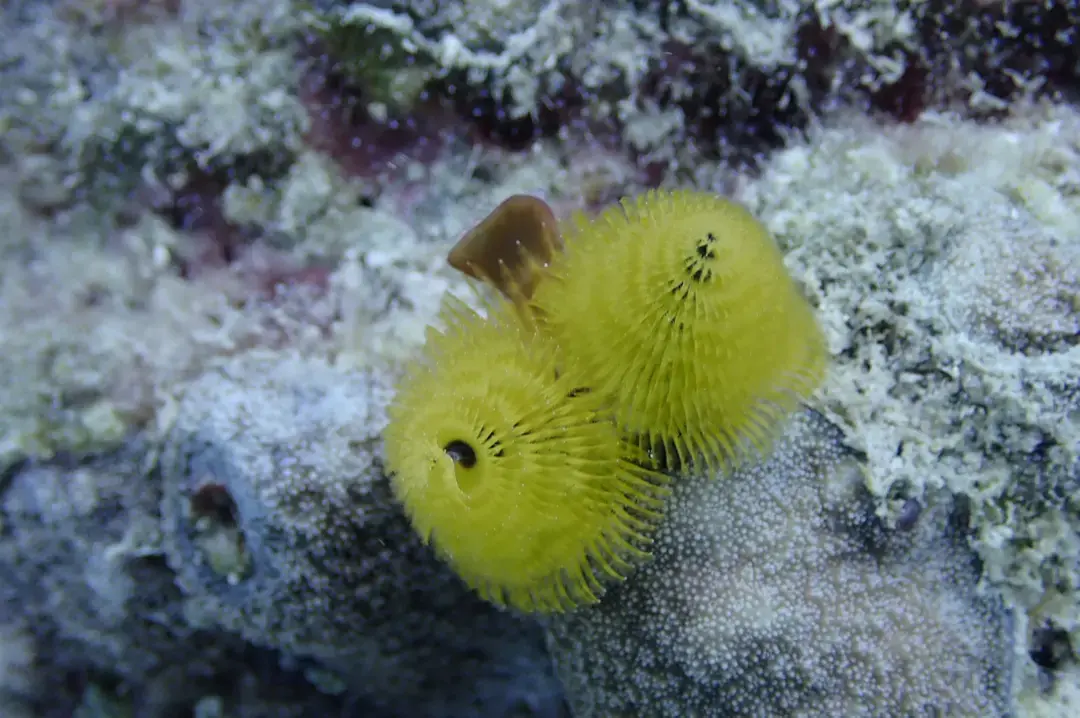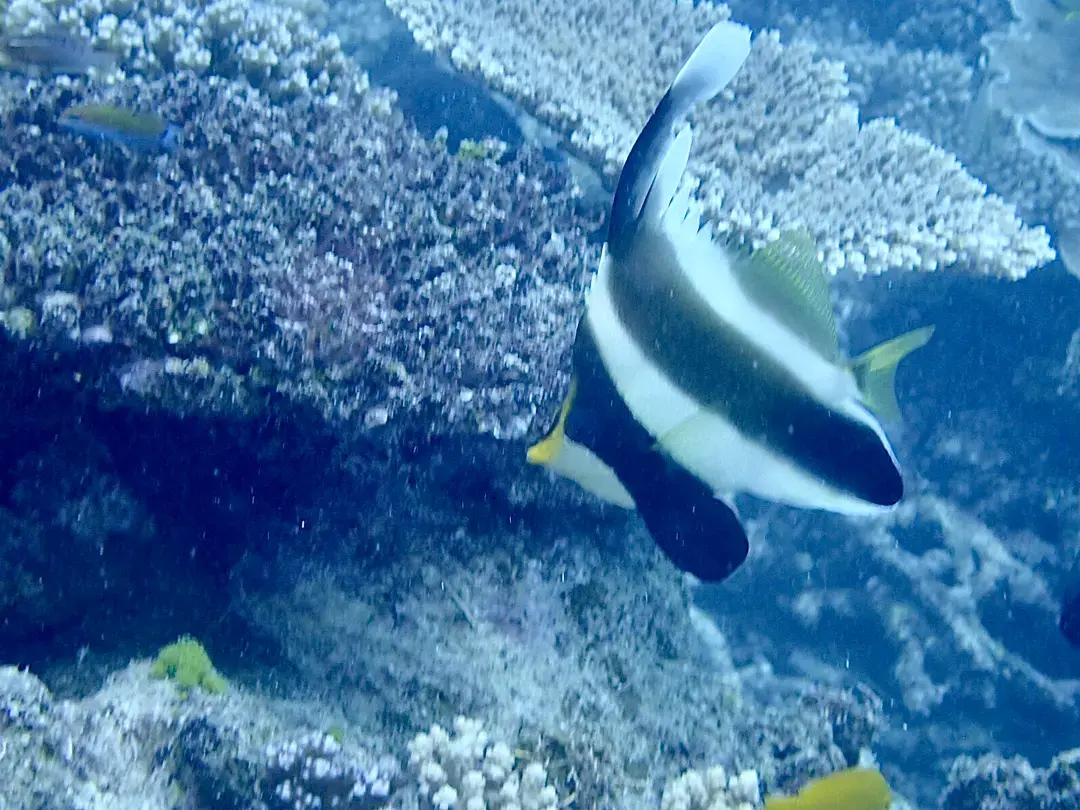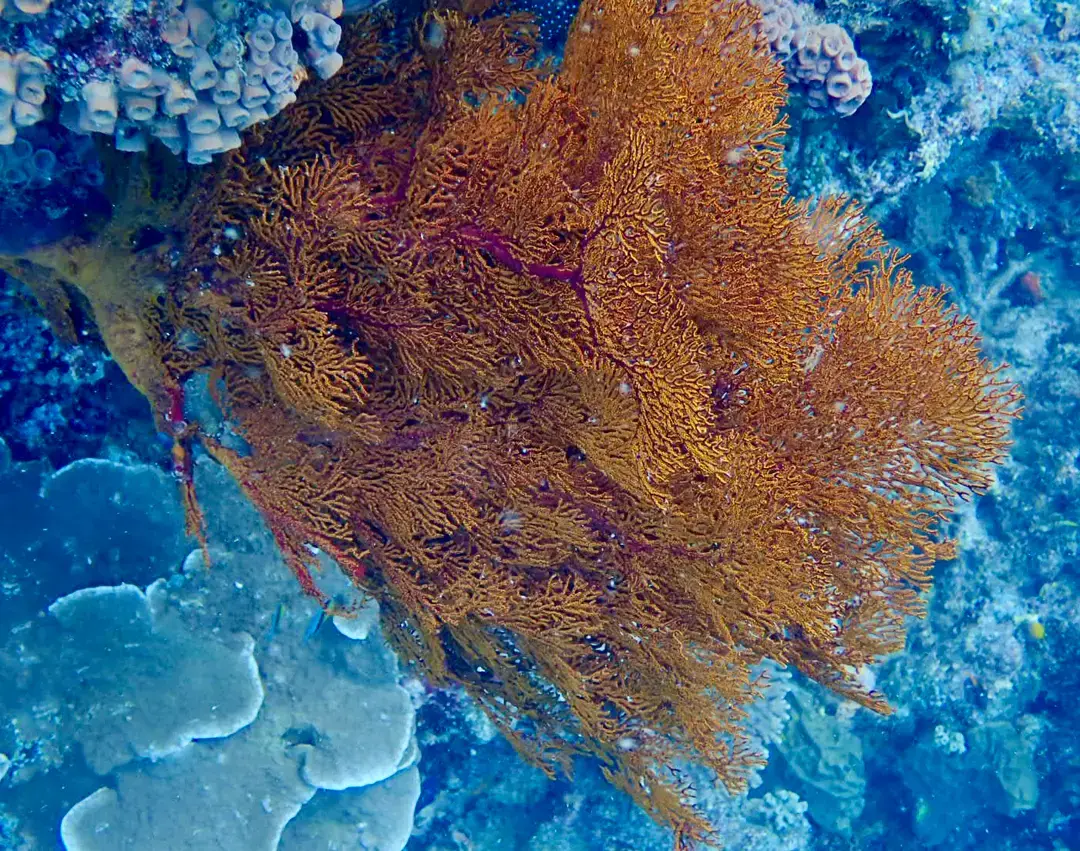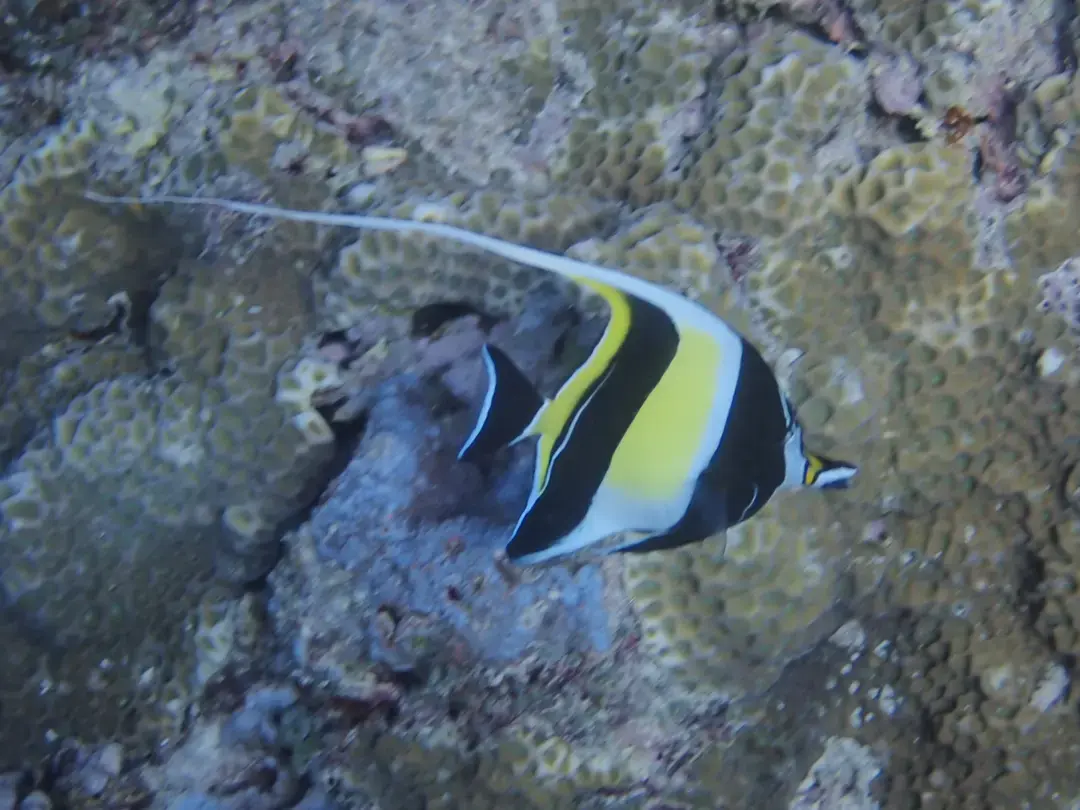


We booked a 5-night stay at the Heron Island Resort. Heron Island is a coral cay near the Tropic of Capricorn in the southern Great Barrier Reef, 80 kilometres northeast of Gladstone. Heron is a nesting site for green and loggerhead turtles, as well as a breeding ground for numerous bird species such as Black Noddy Terns, Mutton birds, Buff Banded Rails and more. There are multiple dive sites surrounding the island, including the famous Heron Bommie. This underwater paradise is home to a diverse array of marine creatures, from majestic sharks, rays, dolphins and tropical fish around the coral gardens.
Our journey to Heron Island was filled with anticipation and excitement. We arrived the day before and stayed at the conveniently located Harbour Sails Motel, close to restaurants and the hotel. The next day, we drove down to the marina, our car safely parked in the secure parking we had arranged months in advance. The weather was perfect, and we were thrilled to have an afternoon dive booked. The trip to Heron Island on the Heron Islander was a fantastic experience. The boat is comfortable and fast, with a top speed of 30 knots. When we arrived, the first thing we saw was a wreck at the entrance. It was the HMAS Protector, which had been damaged in a collision with a tug many years ago and abandoned. Its hull is now a part of Heron Island’s unique landscape.
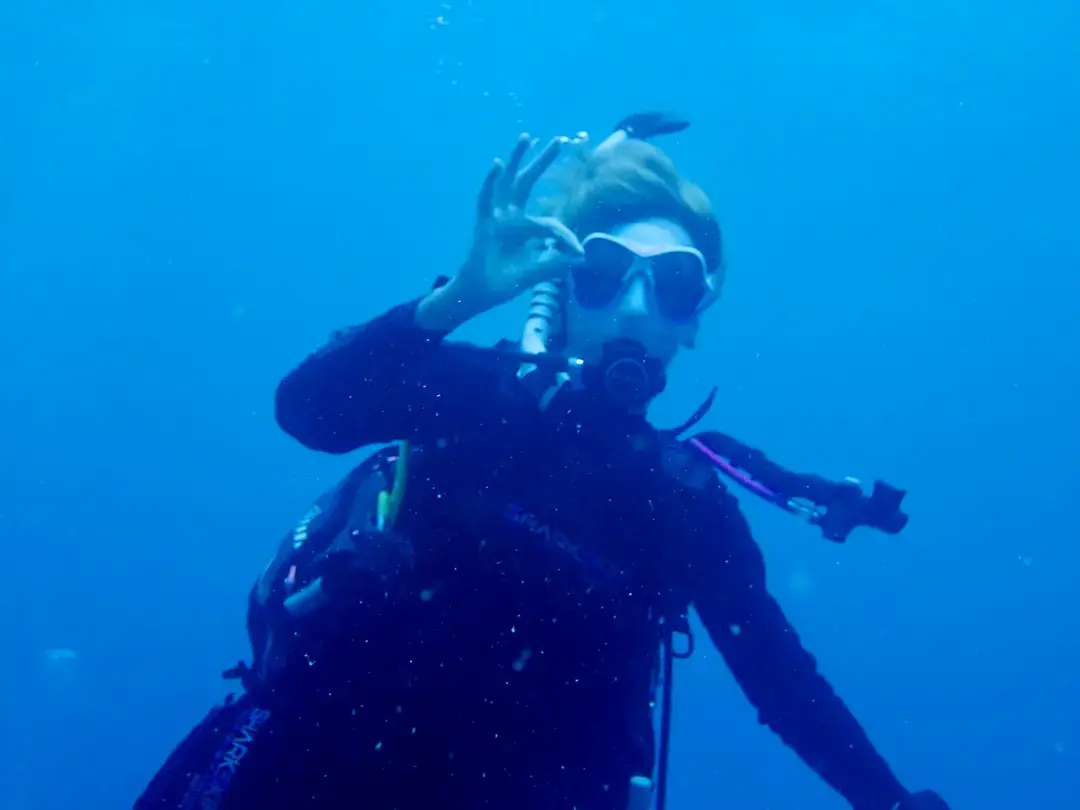
Mark and I went diving in Asia and purchased our dive gear from Aqualung in Thailand, so we had all our equipment. Our friends, Wayne and Debbie, were dive instructors who introduced us to diving and assisted us in organising our dive gear. We were grateful for their help.
Diving:
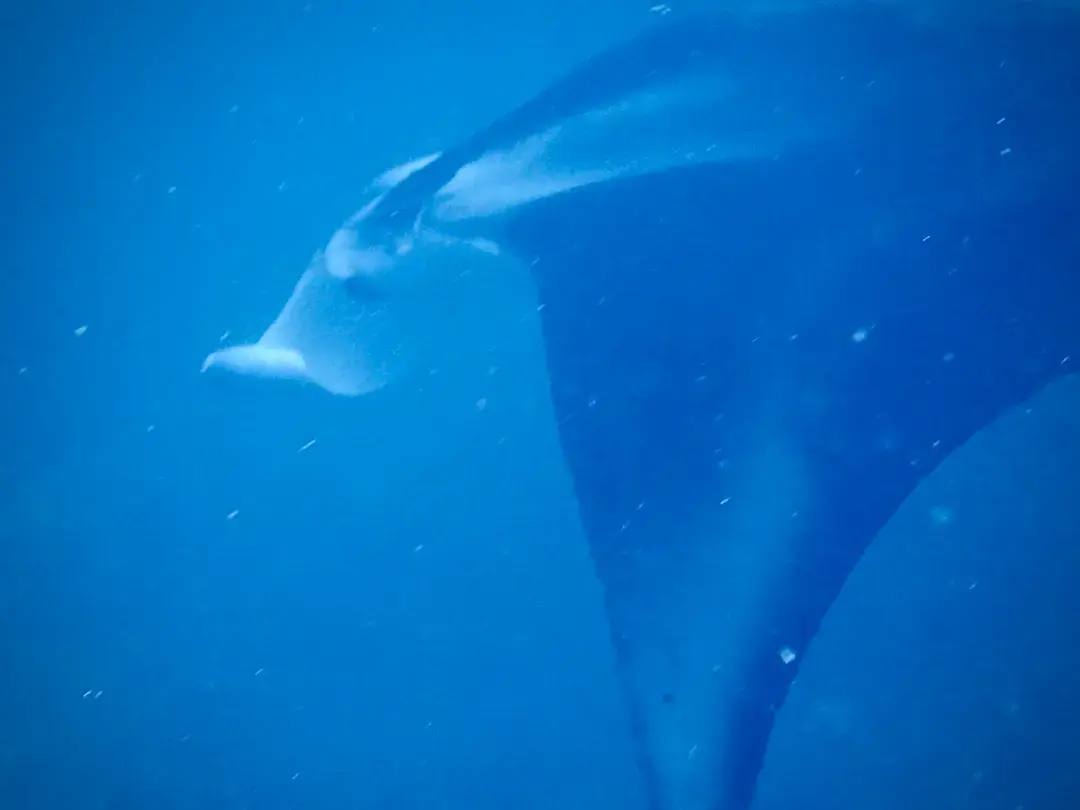
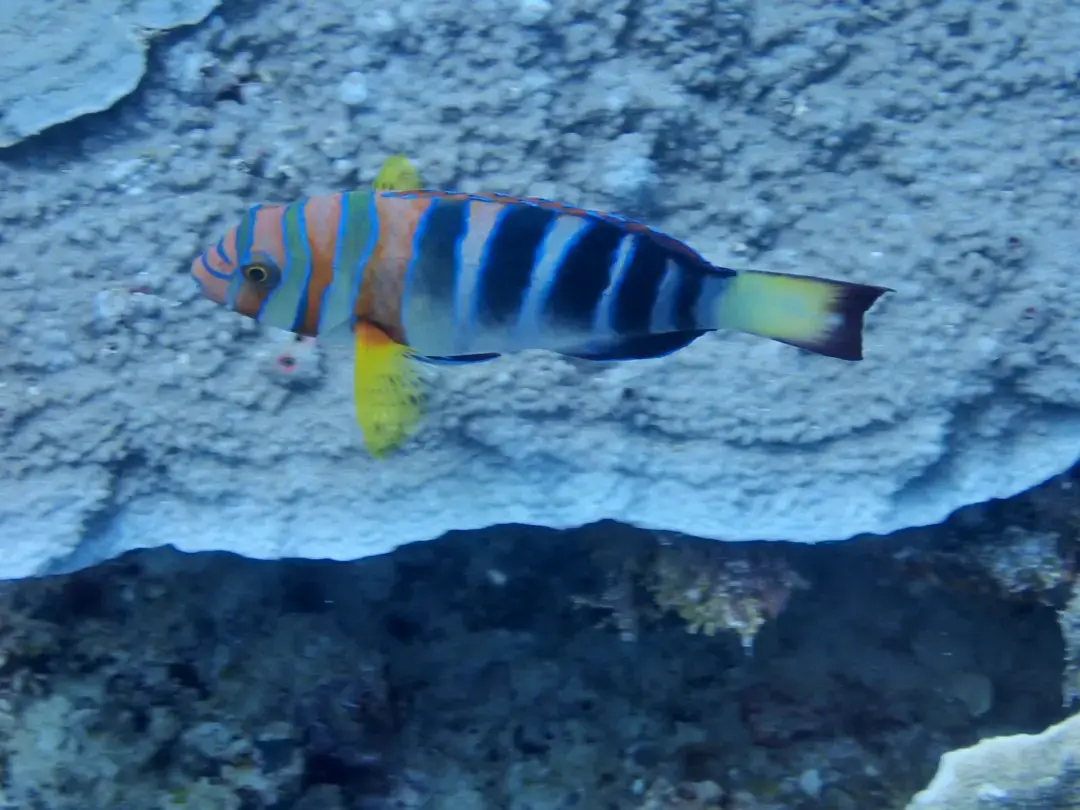
The dive sites around Heron average 10-25 metres; our first dive was incredible. The reef is teeming with reef fish, turtles, manta rays, and sharks. The dive team that takes you out are experienced divemasters. It is a giant stride entry and exit via wide ladders. There are three daily dives: 9:00, 11:00, and 14:30, and night dives if you are interested. We completed two morning dives each day and enjoyed every dive. Mornings are preferable as the wind tends to pick up in the afternoons.
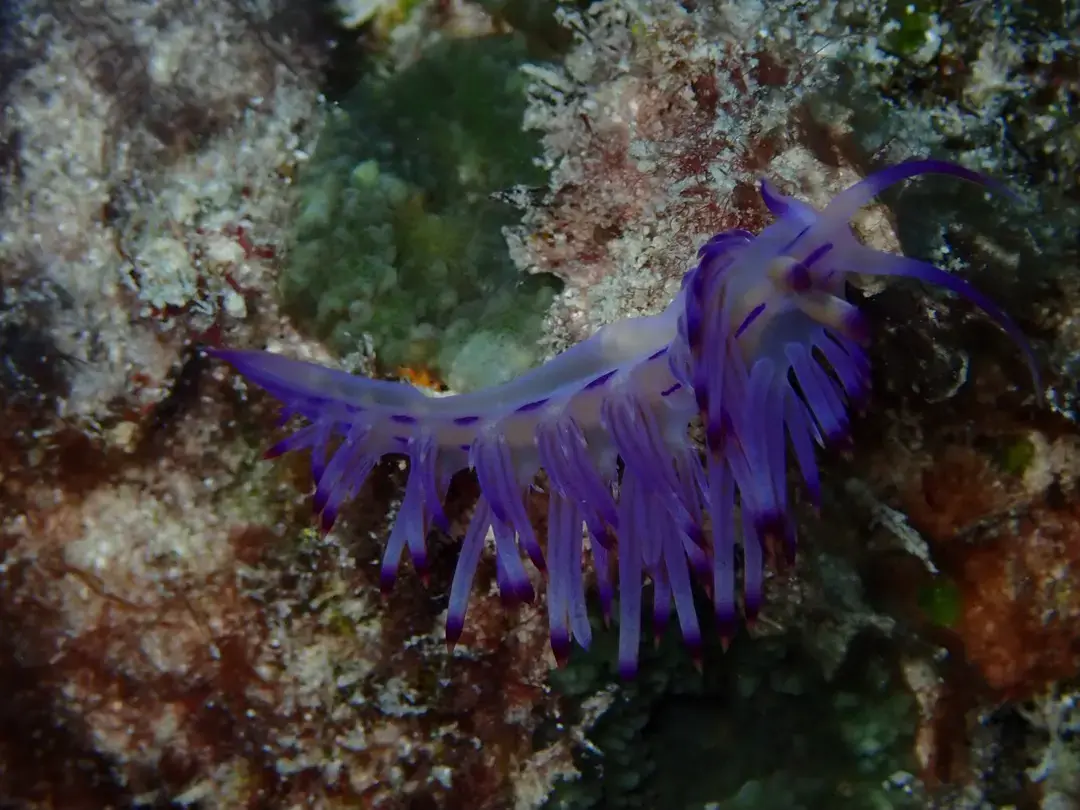
Our camera, an Olympus TG-5 with an underwater housing capable of withstanding pressure up to 45m, was great for macro photography. As you probably already know, we are not professional photographers; it’s just a hobby.
The resort:
The accommodation we stayed in was a reef room on the upper level near the beach. We had water views through a canopy of trees and nesting birds. It was a unique experience. However, the birds nest and have young depending on the time of year you visit, which results in noisy chirping for hours. If you happen to book your accommodation during nesting time, you may want to include earplugs so you can sleep. Heron is an eco-resort, so it is all about the animals and birds, and that is why we visit. If you are looking for a 5-star resort, then this is not for you.
Food:
We enjoyed the meal at the restaurant. They accommodate gluten-free, dairy-free, and vegan diets. As a gluten-free and dairy-free person, Sue appreciated the options available.
Daily activities:
Make sure to check the activities board and book early; if you don’t, you might miss out. Guides help you learn about the flora and fauna of the island and witness nesting and hatching during the tours. The turtle-hatching season is amazing, and you will have unforgettable encounters with amazing wildlife at Heron. At the end of the day, there are sunsets and sundowners, it is a unique and wonderful experience. Unfortunately, we missed the Research Station Tour, during which the researchers discussed their current investigations and experiments in and around Heron Reef. The divers who attended told us it was extremely informative.