

Mt Agung volcano was our motivation to leave Bali earlier than expected. The Australian Government issued a travel warning, so we sailed to Palau Gilivan. We planned to sail to Semarang; Mark needed some routine blood tests completed, and then we could catch up with the rally.
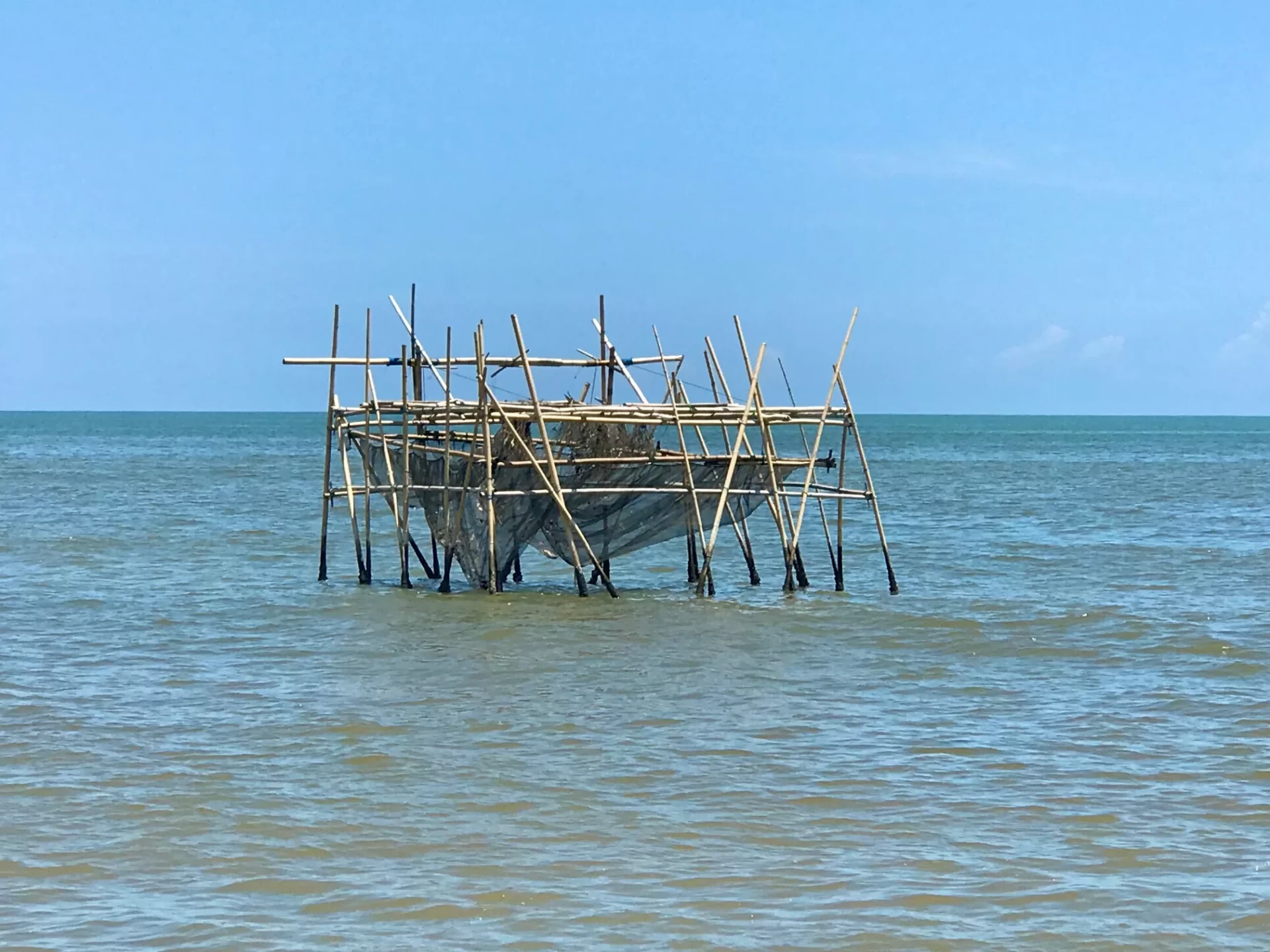
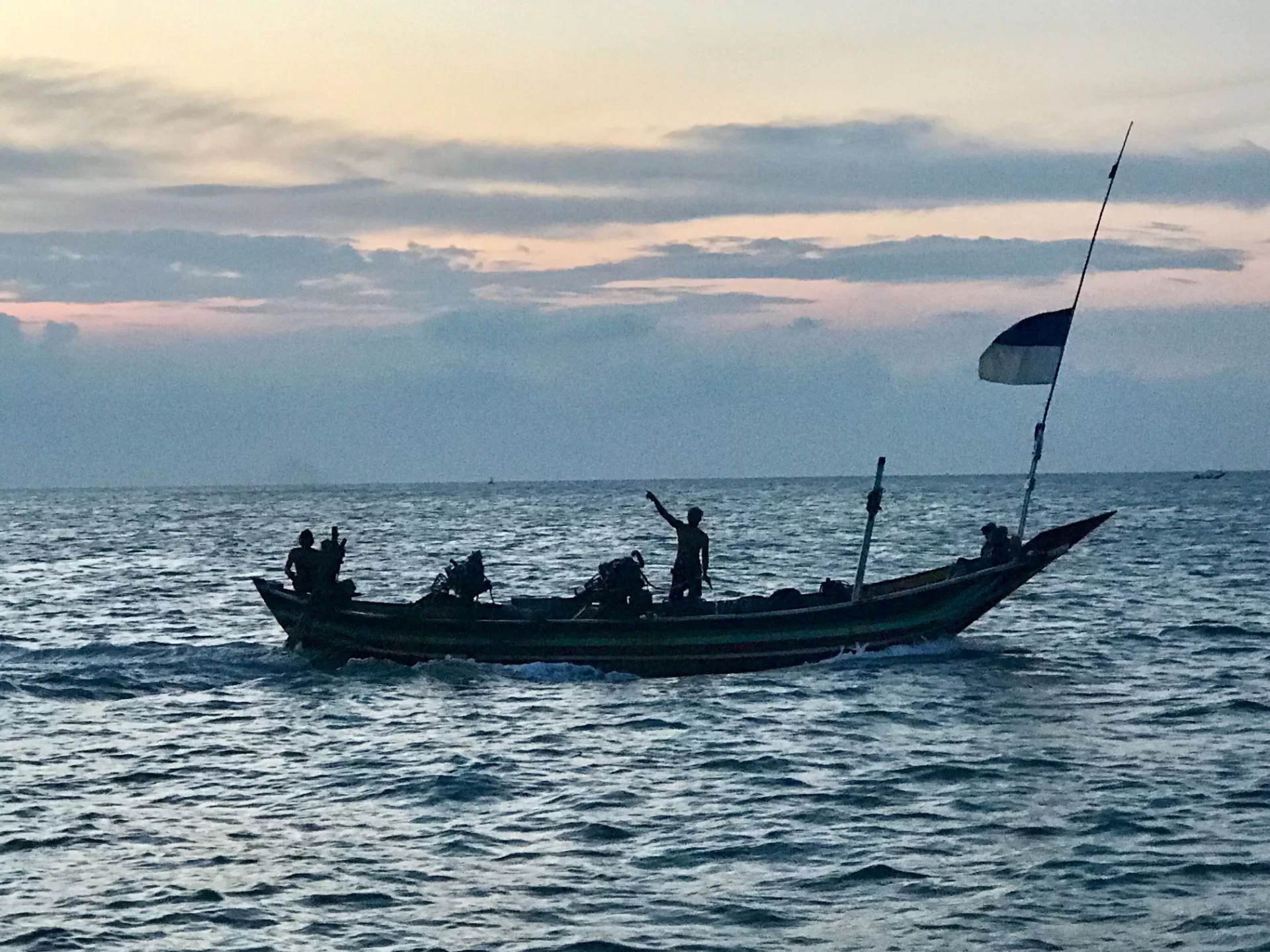
Motor sailing along the East Java Coastline was an exhausting experience; there were hundreds of fishing boats, and we passed an endless stream of fishing nets all day. The nets had coloured flags with red & white, orange, or black flags. The black flags usually indicate the end of the net. We noticed that if their boats have an outboard on the port or starboard side of the vessel, they cast a net from the stern; if they have an outboard on the port side, they cast from the starboard and the stern. (Something to remember if you are still determining what side to pass them on). Some motor around trawling in all different directions. If they are hovering in one spot and you see a flag nearby, they may have a net from the bow of their vessel attached to a flag or FAD. A few fishermen drove out in front of us, then we saw a flag or buoy, and then we had to swerve to miss it; I think they were trying to indicate something was in our path. We only learn these skills through observing them as we pass by; there are no set rules.
Since learning these skills, we have been fortunate to get through each sailing day without snagging any nets; remember, when transiting through the Java coastal area, there are hundreds and hundreds of fishing boats; every day is the same; you have to be on watch nonstop.
A surprise thunderstorm came over the hill and dumped massive rain; the boat finally had a bath.
Sailing at night was too risky, so we anchored off the coast at Telagabiru Madura.
The swell was low, and a light breeze had turned more southerly during the evening, blowing over land by nightfall. We were exhausted after a long day and had an early night. Up at 4:00 am from our ‘call to prayer’ alarm. There is no such thing as sleeping in late in Indonesia, especially if a mosque is nearby. It was a superb-looking mosque, and it overlooked the small harbour.
Mid-morning, we passed a massive fleet of fishing boats on their way into the harbour, all with fishing nets onboard. They were well-maintained and brightly painted, and the engines had no mufflers.
It’s not a boring sail along this coastline; you see offshore gas platforms, oil pump stations with mooring buoys for ships, tugs, and towing barges with no AIS, and much of the coastline contains explosives from World World Two.
Google Maps came in handy for choosing our anchorage. Socorejo looked like the best choice; it had two large loading piers, one for coal and the other for cement; you could see a fleet of small fishing boats moored near the beach; we were the only catamaran in the anchorage.