
We headed to Patonga for our next adventure. The drive was slower than usual as we carefully maneuvered our caravan down Woy Woy Road, over the Railway Line, along Rawson Road, and through Umina. The last stretch of the journey took us through a narrow, winding road, and we had to be on the lookout for low-hanging branches. We had learned from past experience when a low-hanging tree branch damaged our caravan’s solar panels.
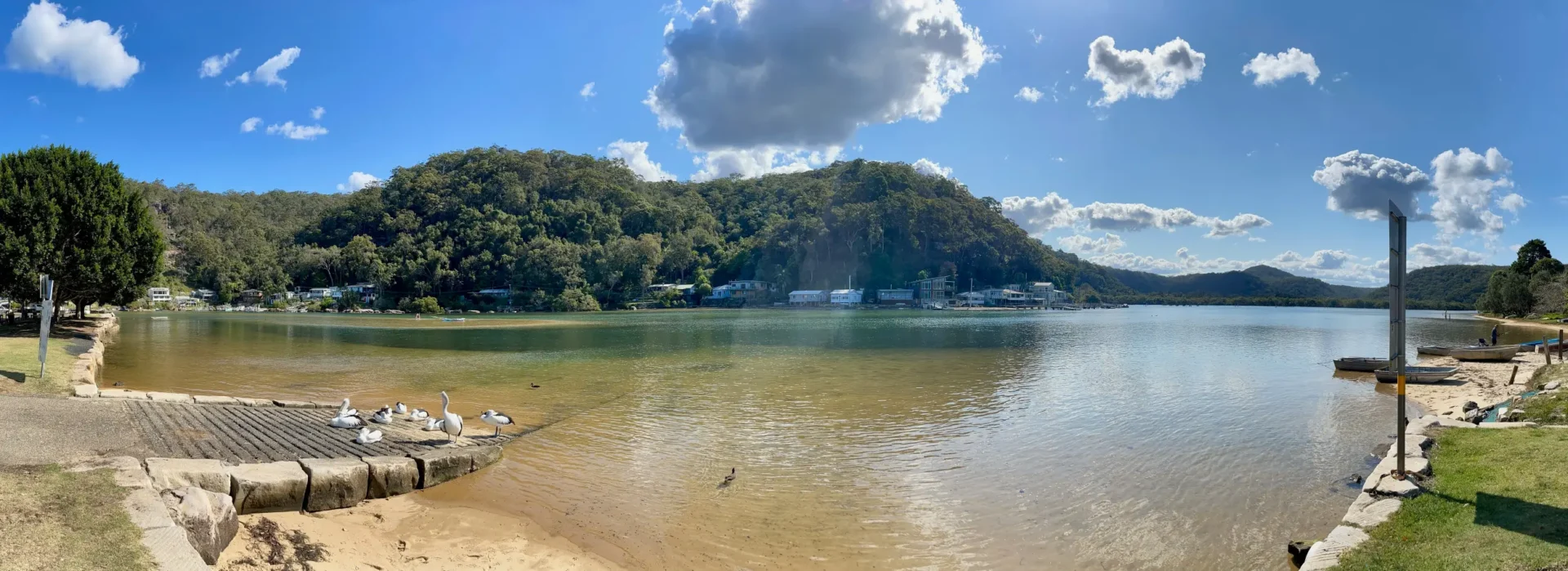
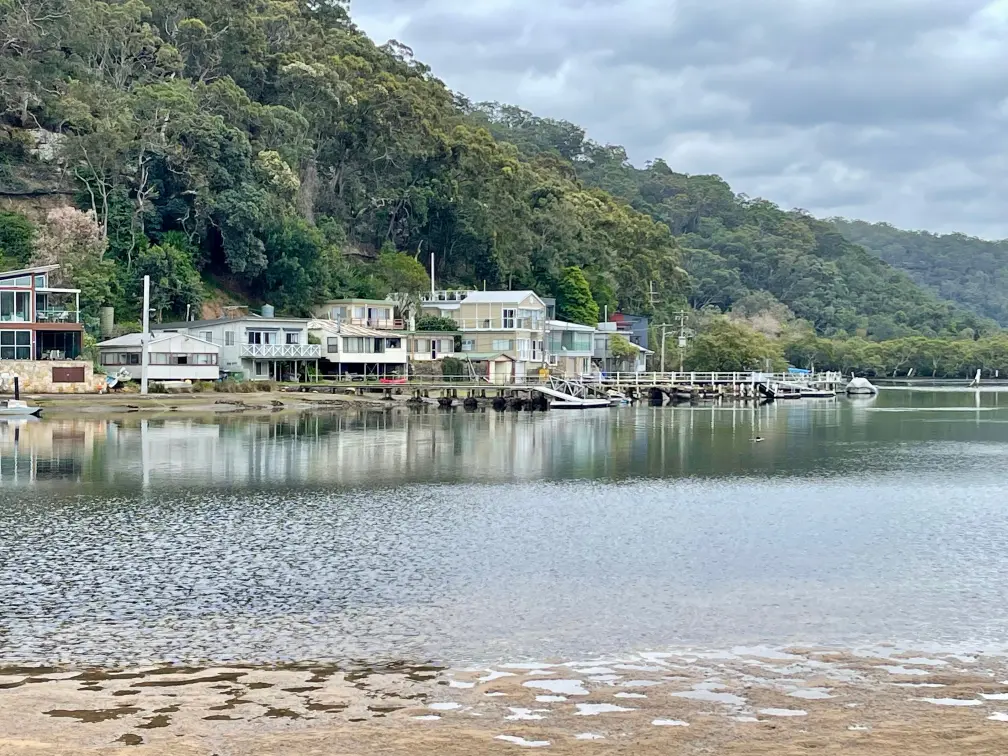
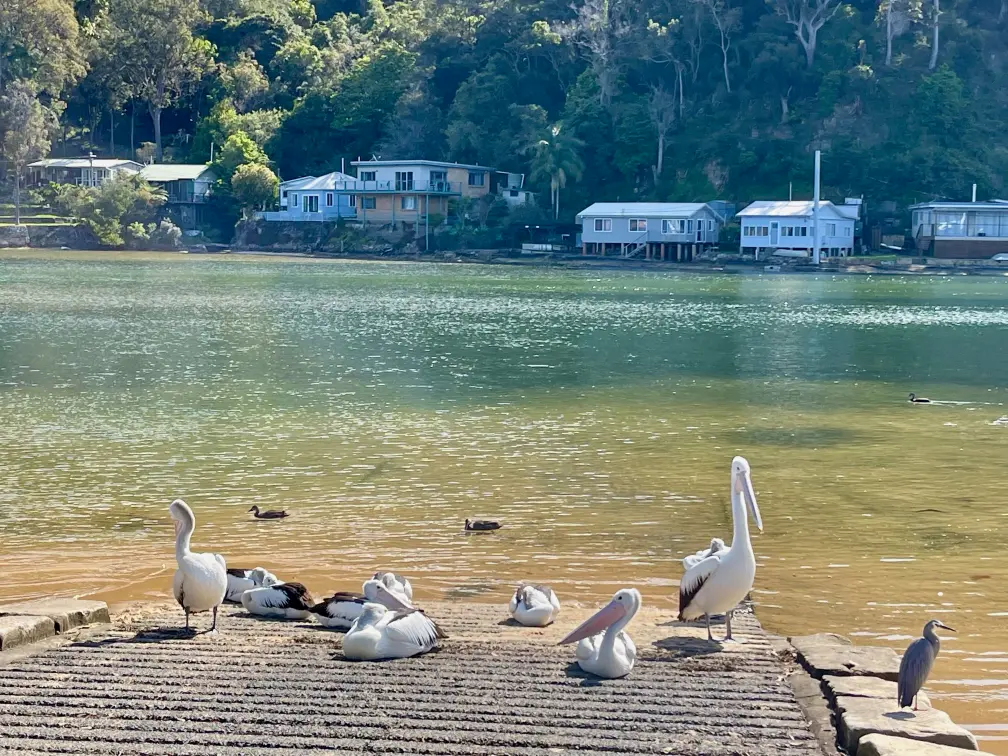
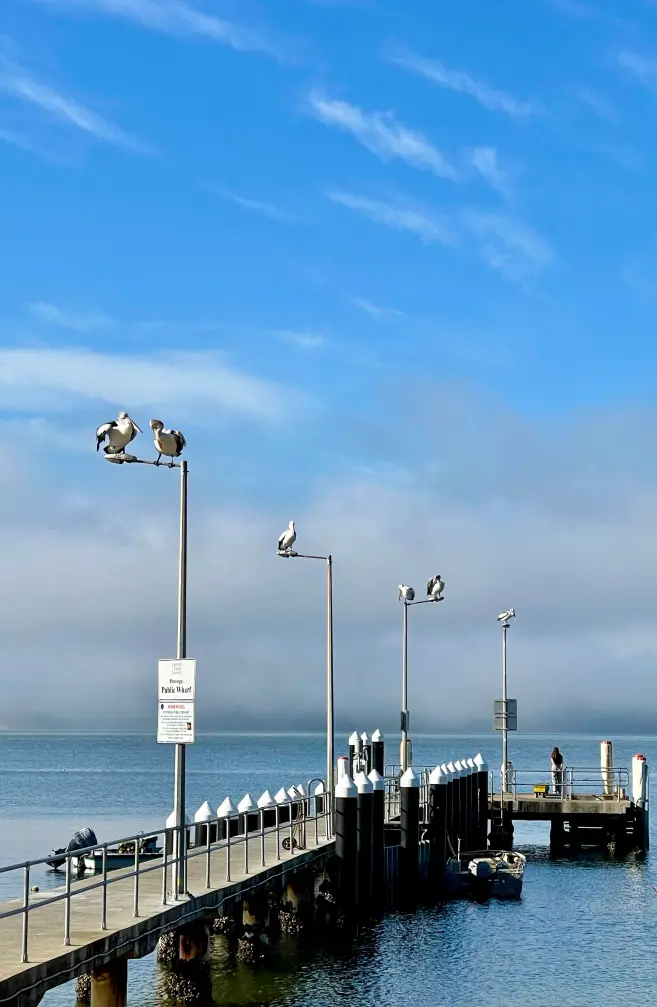
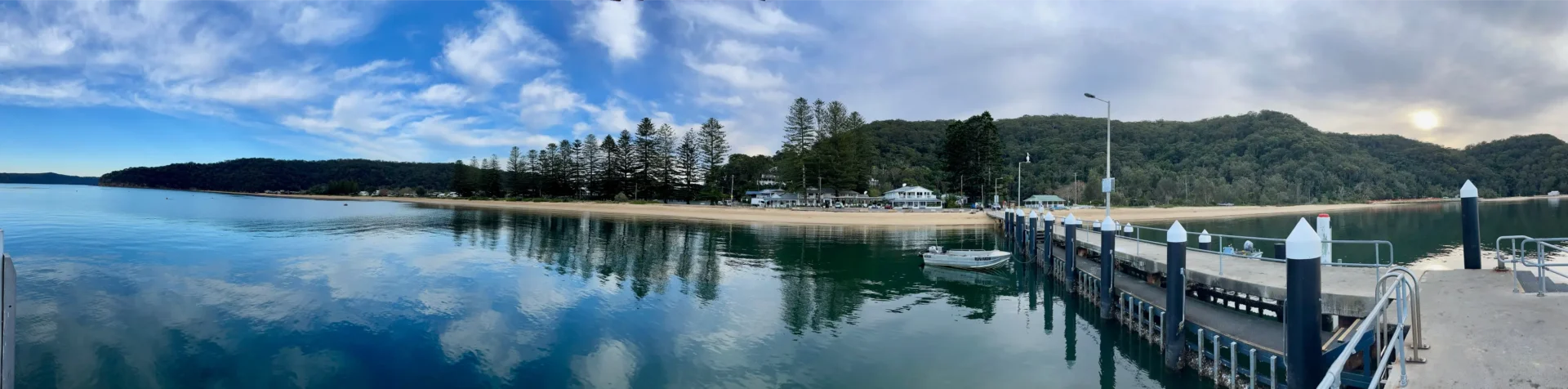
Upon our arrival at Patonga Caravan and Camping Park, we were warmly welcomed by a staff member who offered us a better site option, a site close to the water. The caravan park is nestled between tree-studded hills and the beach, creating a quiet country town atmosphere. The beach is situated behind the amenities block, and a clear water inlet flows in and around the park from the beach – Patonga Creek. Homes on the other side of the creek can only be accessed by dinghy. Numerous pelicans can be seen lazing around the boat ramp and sand banks, hoping for a free feed. You can paddle in the inlet or test your fishing skills.
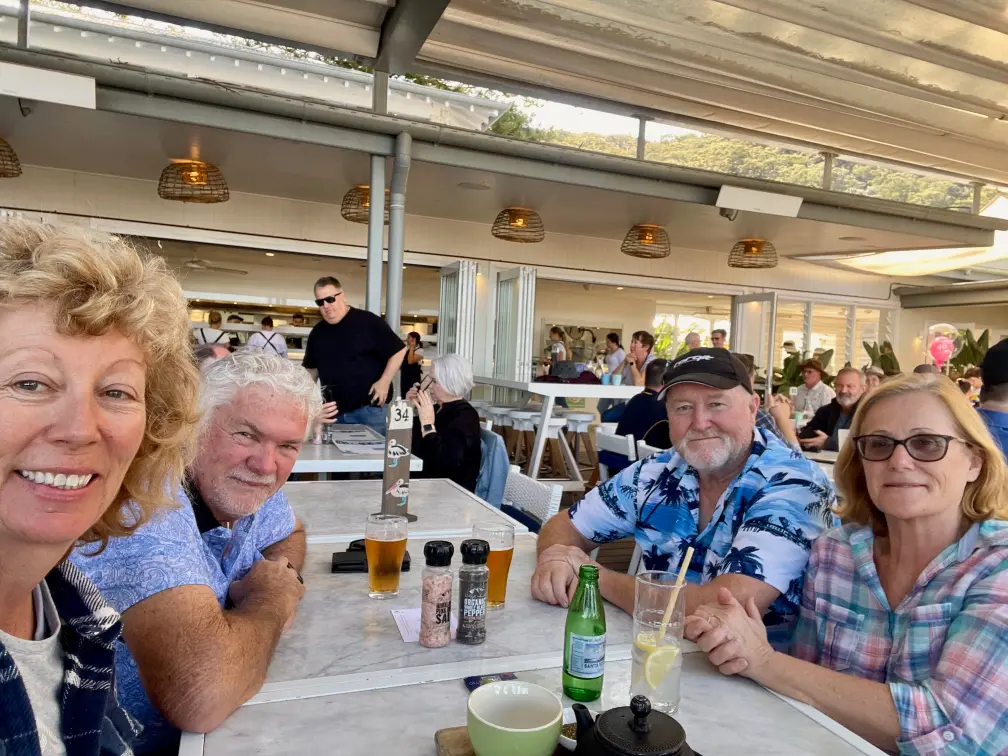
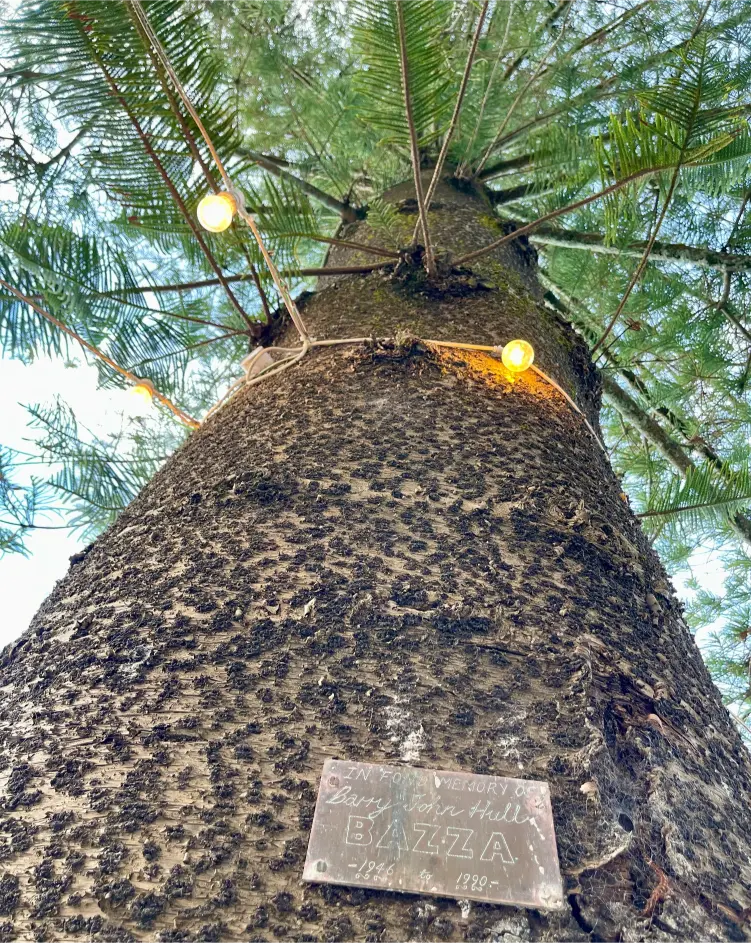
The morning sunrise is a beautiful sight, and if you’re lucky, you may even catch the moon rising over the ocean at sunset. Our go-to spot for coffee and food was the Patonga Boathouse Hotel located on the waterfront, offering breakfast and lunch daily and dinner most nights. Norfolk Pines form part of the beer garden. Stunning location for lunch. A ferry runs daily from the northern beaches area, making it a great option for a day trip to explore the surroundings.
The area is home to numerous bird species, I have included some we saw at the caravan park: Pacific Koel, Sulphur Crested Cockatoo, Rainbow Lorikeet, Australian Pelican, Pacific Black Duck, Australian Magpie, Masked Lapwing, Australian Brushturkey, and White Faced Heron and the common Noisey Miner. When you gaze up at the gum trees, you’ll be enchanted by the sight of countless spider webs glistening in the sunlight.