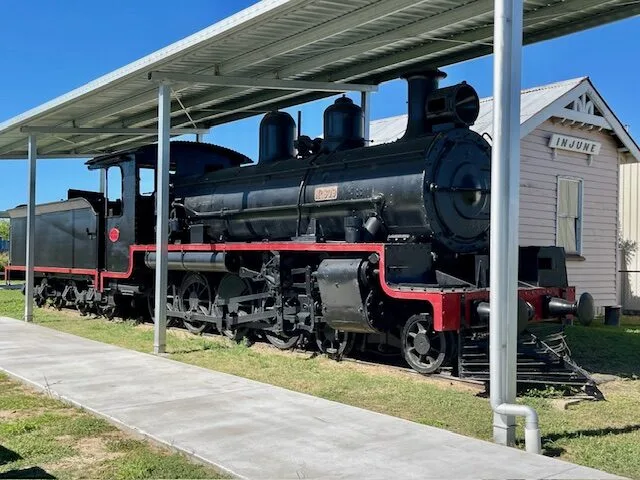

Carnarvon Gorge has been on our bucket list for many years. We drove from Roma to Carnarvon, making a brief stop in Injune for coffee. While there, we decided to visit the historical railway site across the road. With our coffee in hand, we crossed the road to explore the railway’s history, including the railway line’s construction and the locomotives’ story. This particular locomotive on display is marked No. 809. We learned that it entered service in 1927 and remained operational until 1968. Additionally, Flora Harland served as the station mistress from 1948 to 1966. Well done, Flora!
After our stop, we continued on the Carnarvon Highway. We turned off at Rewan and travelled along a narrow stretch of road through farming and unfenced cattle country. On the way, you will pass the Rewan Memorial, which was erected in memory of Australian and American personnel who died in an aircraft crash during an electrical storm.
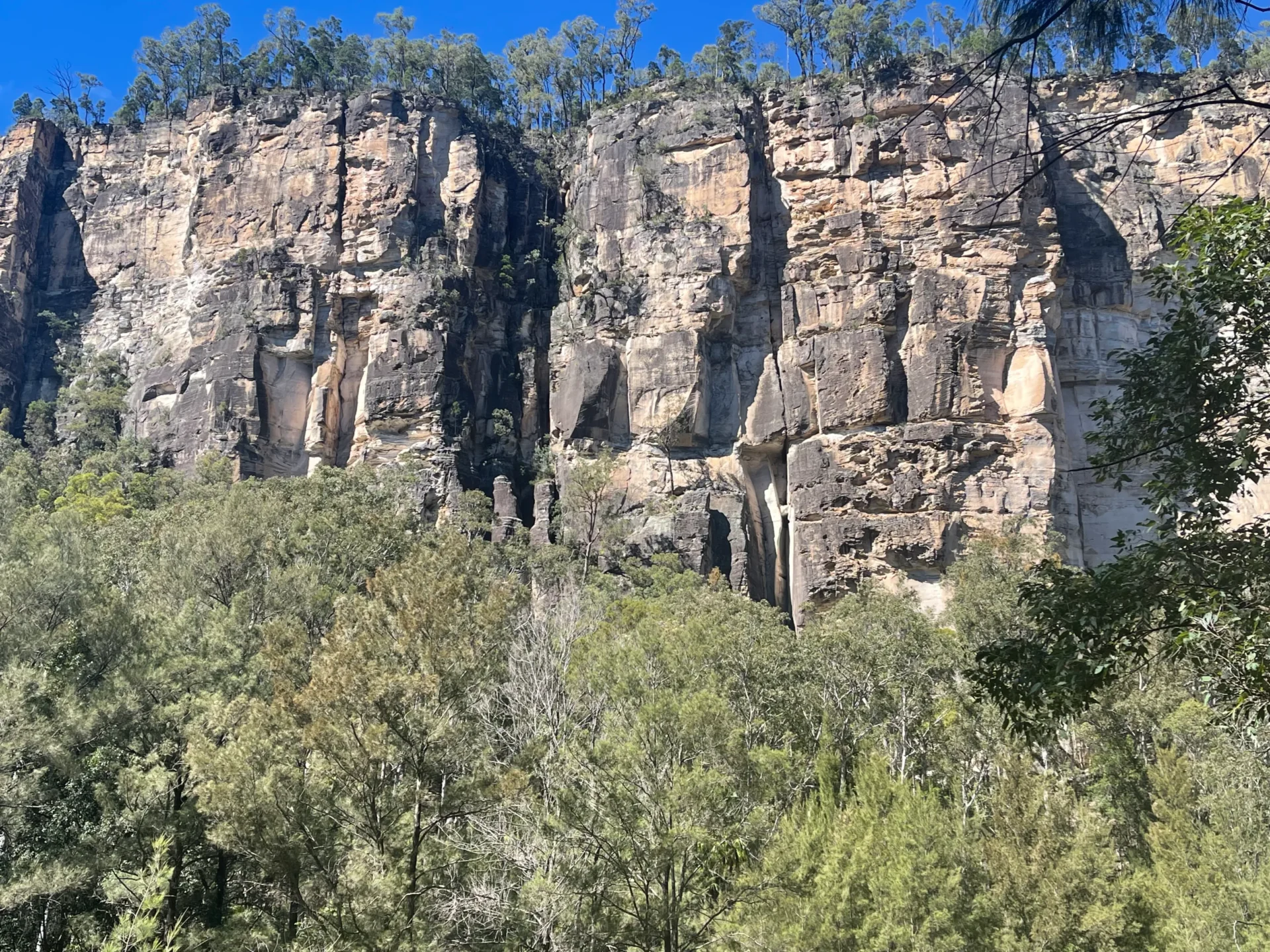
The journey to Carnarvon Gorge is nothing short of breathtaking. You traverse winding roads that unveil vibrant hues of the sandstone cliffs, their towering formations becoming more majestic as you draw near. Along the way, you’ll navigate several cattle grids, which add to the sense of adventure as you meander through this picturesque landscape.
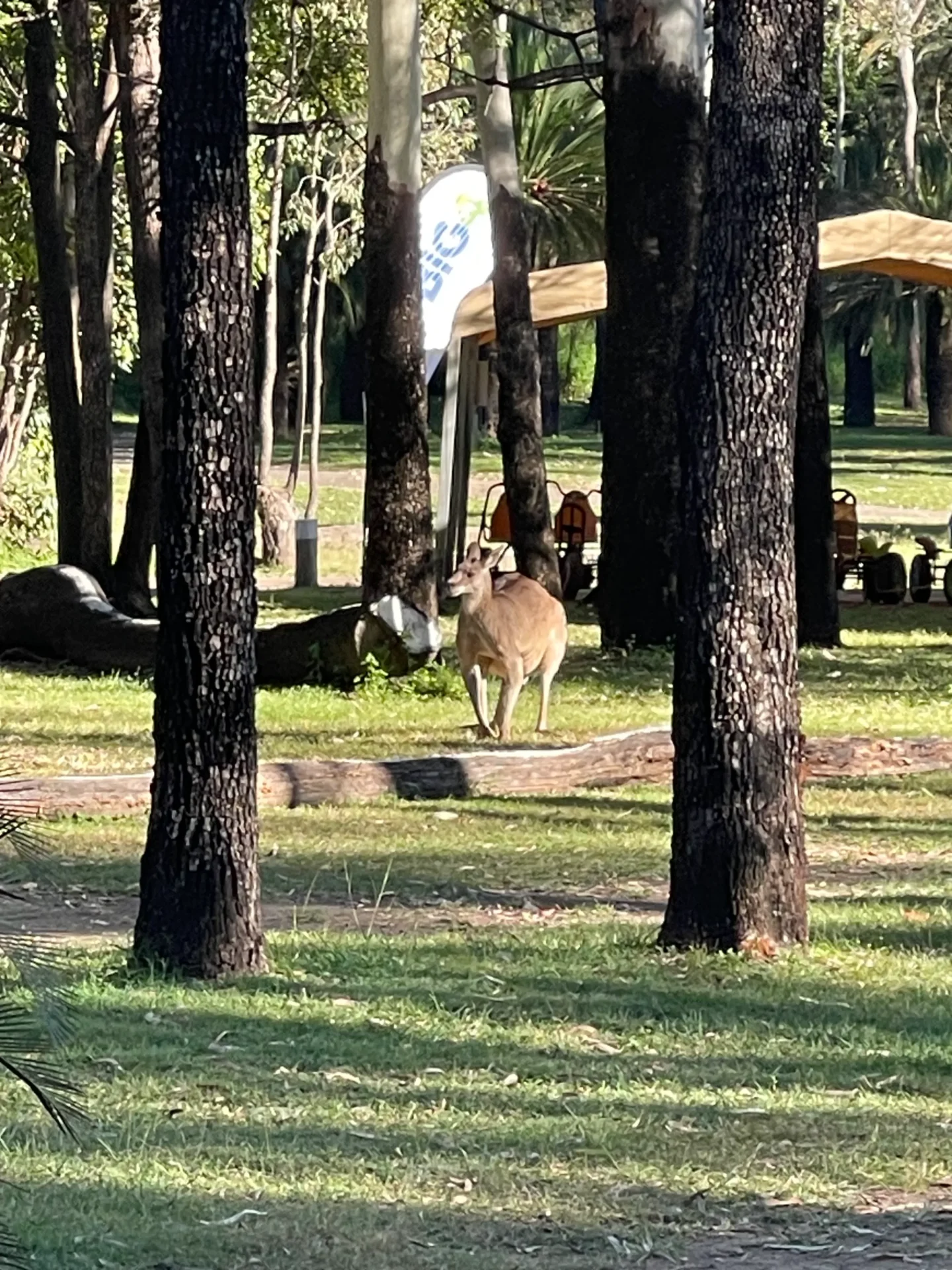
We booked a three-night stay at the Big4 Caravan Park, and upon our arrival, we were impressed by the park’s size, which features spacious sites and good amenities. Each morning, we woke to the sound of birds chirping. The office shows an informational video about Carnarvon Gorge tracks in the evenings. It also mentions platypuses swimming in the nearby creek, although we never saw one during our stay.
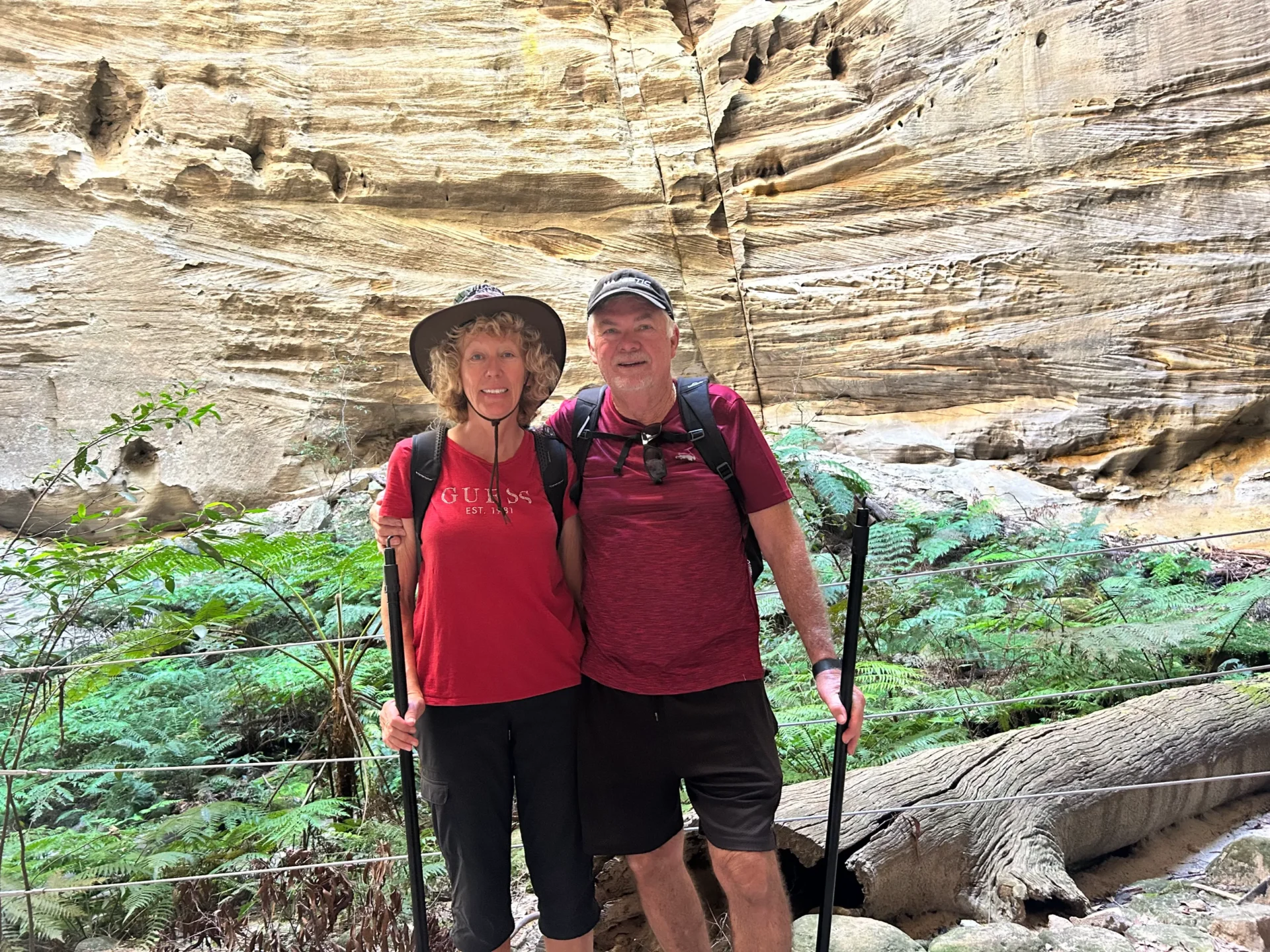
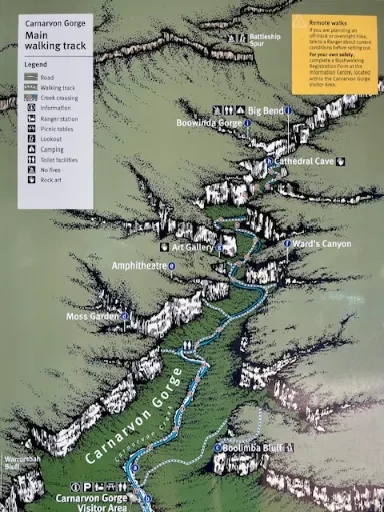
We set out on a 15-km walk through the gorge the next day. One of the first sounds you hear is hundreds of Noisey Fryer Birds. To make the most of our visit, we planned our route by prioritising the sights we wanted to see. We started at the furthest point, the Art Gallery, and on our way back, we stopped at the Amphitheatre and the Moss Garden. Unfortunately, we couldn’t visit Ward’s Canyon because a large tree blocked the pathway.
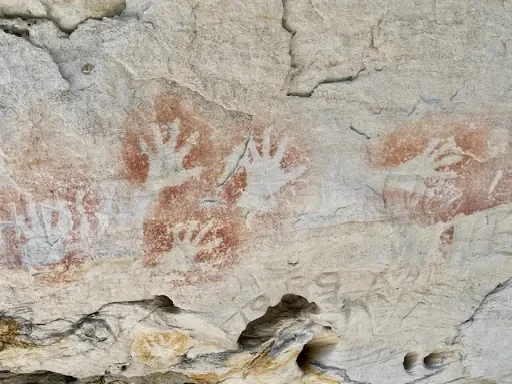
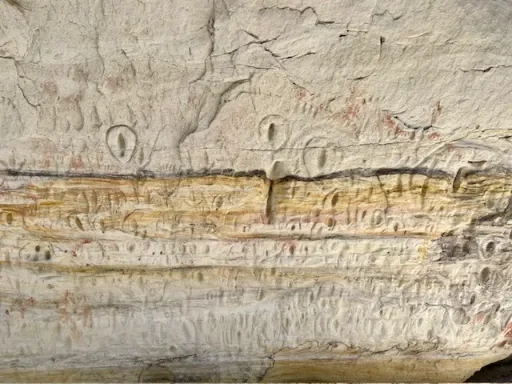
The Art Gallery features over two thousand Aboriginal engravings, ochre stencils, and freehand paintings along a 62-meter sandstone wall. Upon entering, you will be greeted by a storyboard of images, each with its symbolic meaning and purpose. This site was once a venue for Aboriginal ceremonies, and the images tell the stories of the Aboriginal ancestors who lived in this area. Women contributed to many of the stories depicted on the wall, and you will frequently notice fertility symbols; can you identify what they are?
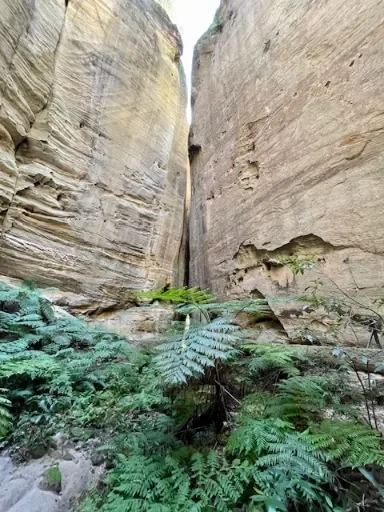
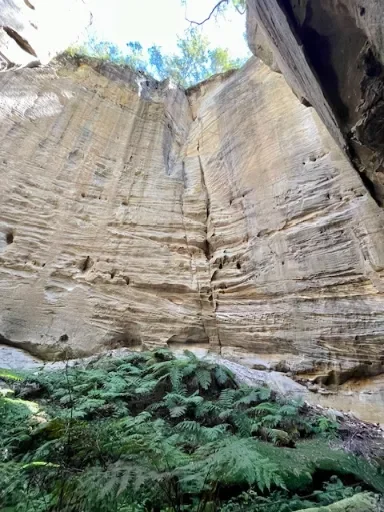
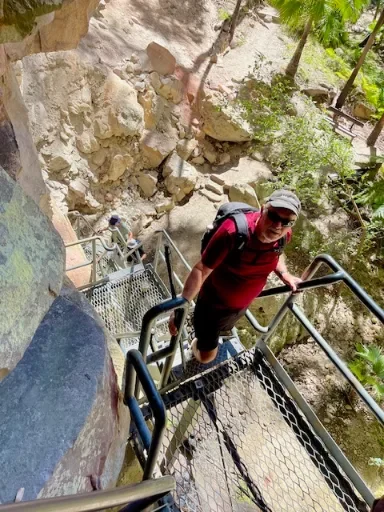
Our next stop was the Amphitheatre. Hidden within the gorge’s walls is a vast, deep chamber carved from the rock by flowing water. The incredible acoustics enhance the awe-inspiring atmosphere of this remarkable place. To reach the gorge, you’ll navigate steep steps. Once you reach the top, you can feel the cool air flowing through the gorge, as if someone had just turned on an air conditioner. Inside, there are seats where you can sit lookup and enjoy the breathtaking view.
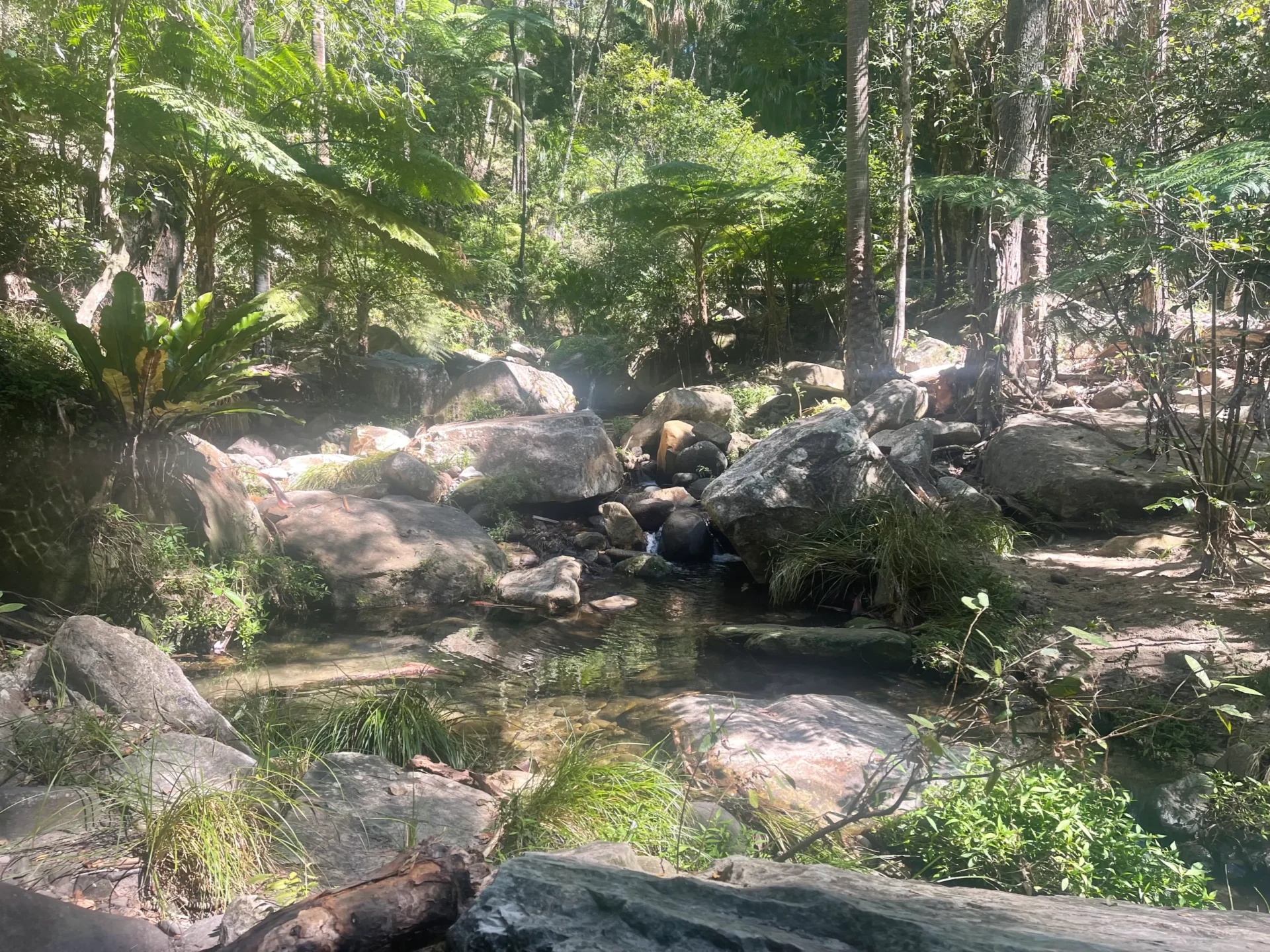
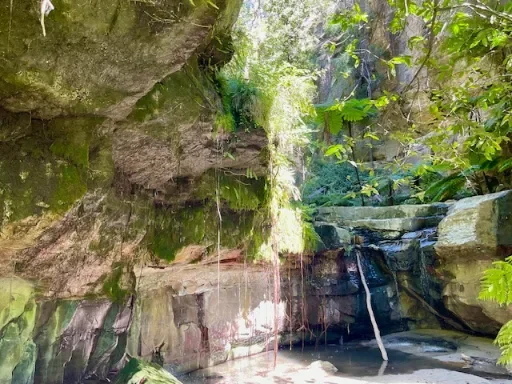
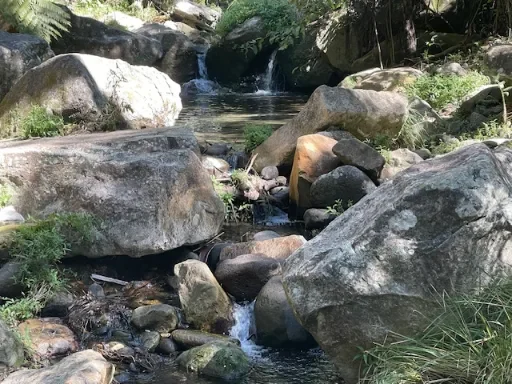
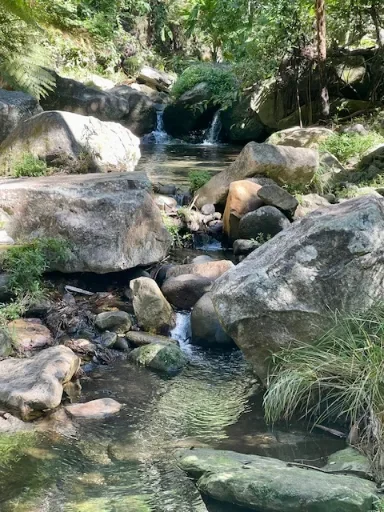
Our final destination is the Moss Garden. By this point, we have walked 10 kilometers and are feeling tired. We take a break to rest and enjoy a drink before continuing along the track. The Moss Garden is nestled within the cool confines of Violet Gorge. Water constantly drips from the sandstone walls, creating a lush carpet of mosses, ferns, and liverworts. Beneath the tree ferns straining for sunlight, a small waterfall cascades over a rock ledge into an icy pool.
The walk to this truly remarkable place took us five hours. Be sure to bring plenty of water and snacks. It was a challenging day, but we loved every moment of it.